

- About Us
- Business Law
- Civil & Commercial
- Antitrust Litigation
- Appellate Litigation
- Banking Litigation
- Breach of Contract
- Breach of Fiduciary Duty
- Business Partnership and Shareholder Disputes
- Commercial Arbitration
- Commercial Fraud
- Construction Litigation
- Employment Litigation
- Insurance Coverage Dispute
- Oil & Gas Litigation
- Pre-Litigation & Dispute Resolution
- Real Estate/Property Dispute
- Trade Secrets & Unfair Competition Litigation
- Family Law
- Resources
- Contact
Our Blog Post
How Long Does It Take to Finalize a Divorce in Texas?

What Determines How Long a Texas Divorce Takes
A Texas divorce usually cannot be finalized until at least 60 days after the petition is filed, though many cases take three months to a year or more, depending on children, property, conflict, court schedules, and the level of agreement between the two parties. Non-disputed cases with complete paperwork move the fastest, while contested cases take longer because the court may need to hold hearings, conduct mediation, or engage in discovery or trial.
The 60-Day Rule Sets the Minimum
Texas has a required waiting period for most divorces. Under Texas Family Code § 6.702, a court generally may not grant a divorce until 60 days have passed after the original filing. That does not mean your divorce is final on day 60. It means day 60 is usually the earliest point when the judge can sign the final decree. A Texas divorce lawyer can explain whether an exception may apply, but most cases take at least two full months.
The Filing Date and County Matter
The clock usually starts when the Original Petition for Divorce is filed with the district clerk. Before filing, Texas residency rules must also be met. Under Texas Family Code § 6.301, either spouse generally must have lived in Texas for the past six months and in the filing county for the past 90 days. Local practice can affect timing. All cases filed in Texas county courts follow state law, but prove up settings (procedures in which spouses appear before the judge to “prove up” the divorce so the judge can sign the final decree), mediation rules, and calendars can vary.
What Helps a Divorce Move Faster?
A divorce with no disputes can move faster because the spouses are not asking the judge to decide every issue. Even then, the final decree must be complete, correct, and ready for the court to sign.
Common factors that shorten the timeline include the following:
- Property agreement: Both spouses decide how to divide the house, accounts, debts, vehicles, retirement, and personal property.
- Parenting agreement: Parents settle conservatorship, possession, child support, medical support, school issues, and exchanges.
- Complete records: Pay stubs, account statements, tax records, mortgage documents, and debt records are gathered early.
- Proper service or waiver: The responding spouse is served correctly or, when allowed, signs a valid waiver.
When these pieces are handled early, a Texas divorce attorney can help keep the case from getting stuck due to paperwork issues.
What Makes a Divorce Take Longer?
A contested divorce takes longer because the court needs time to review facts and give both sides a fair chance to be heard. Delays often happen when:
- No response from one spouse: Extra court steps may be needed before the case can move forward.
- Unclear property values: A claim involving a business, home, retirement account, or separate property may require records or valuation work.
- Disputed parenting issues: The court may need temporary orders, a custody evaluation, drug testing, or counseling records.
- Discovery disputes: Each side may request documents, written answers, and sworn testimony.
- Full court calendars: A judge may not have a final hearing date right away in busy counties.
A Texas divorce lawyer can help narrow the issues, though courts, records, banks, employers, appraisers, and the other spouse can still affect the pace.
Children and Property Usually Add Time
Divorces involving children often take longer because the final order must cover more than the end of the marriage. The decree must address conservatorship, possession schedules, child support, health insurance, dental support, school decisions, travel, and exchanges. Judges want child-related terms to be clear because unclear orders can lead to more conflict later.
Property can also add time. Texas is a community property state, so the court must divide community property in a way it finds just and right. That does not always mean a perfect 50-50 split. Separate property claims, business interests, hidden accounts, and debt disputes can make the case harder to finish.
Is the Divorce Final When the Judge Signs?
The divorce is generally final when the judge signs the Final Decree of Divorce. Some tasks may continue afterward, such as transferring vehicle titles, dividing retirement accounts, changing account beneficiaries, or selling property. Under Texas Family Code § 6.801, a person generally may not remarry before the 31st day after the divorce is decreed, unless the court allows otherwise.
Get Specific Information on How Long Your Divorce May Take to Finalize
At Murrah & Killough, PLLC, we help Texas families understand the divorce process and the choices that may affect timing, cost, and stress. Our family law team serves clients in the Greater Houston area, focusing on practical guidance before and during divorce. Schedule your confidential case review by contacting us online or calling 281-501-1601.
Contact Murrah & Killough, PLLC for skilled divorce law litigation.
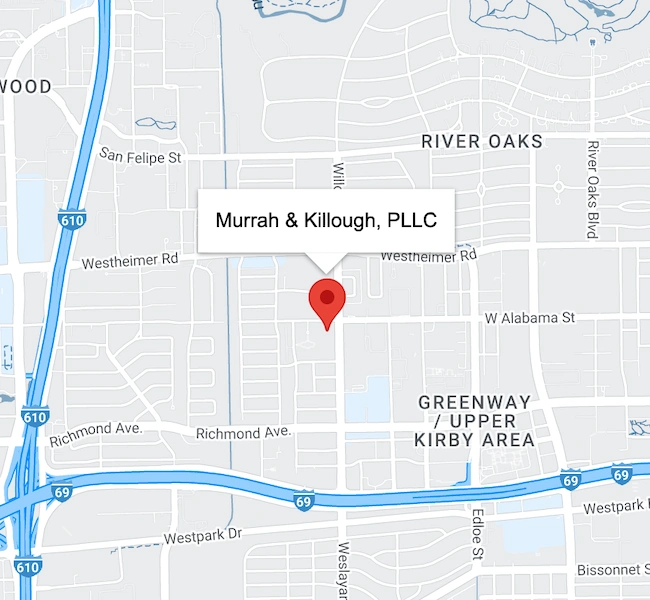
Contact the experienced lawyers at Murrah & Killough, PLLC today & schedule your free consultation. We proudly serve Houston, & all throughout Texas. Visit our law offices at:
Our Houston Office
3000 Weslayan St. Suite 305
Houston, Texas 77027
Phone: (281) 501-1601
Contact Our Team Today!
Fields Marked With An “*” Are Required
"*" indicates required fields

Houston Office
3000 Weslayan St.
Suite 305
Houston, Texas 77027
Phone
281-501-1601
Copyright © 2026 Murrah & Killough, PLLC. All rights reserved.
