

- About Us
- Business Law
- Civil & Commercial
- Antitrust Litigation
- Appellate Litigation
- Banking Litigation
- Breach of Contract
- Breach of Fiduciary Duty
- Business Partnership and Shareholder Disputes
- Commercial Arbitration
- Commercial Fraud
- Construction Litigation
- Employment Litigation
- Oil & Gas Litigation
- Pre-Litigation & Dispute Resolution
- Real Estate/Property Dispute
- Trade Secrets & Unfair Competition Litigation
- Family Law
- Resources
- Contact
Dissolve Out-of-State LLC and Form Texas LLC
Two Paths for Relocating Your Business to Texas
 Companies relocating to Texas from another state generally have two paths available: converting their existing LLC through statutory domestication or dissolving the out-of-state entity and forming a brand new Texas LLC. Which path makes sense depends on your company’s history, existing contracts, and how much continuity you need to preserve during the move.
Our business relocation attorneys at Murrah & Killough, PLLC help companies across a spectrum of industries, service industries, healthcare practices, and manufacturing work through this decision and handle the filings involved. Visit our website or call us today at 281-501-1601 to talk through your potential relocation.
Domestication vs. Dissolution and New Formation
Some states, including Texas, allow a process called domestication, which lets an LLC formally convert its state of organization without dissolving and reforming as a new entity. This can preserve the company’s existing Employer Identification Number (EIN), contracts, and operating history in many cases, which often makes it the smoother option when it is available. Not every state permits outbound domestication, however, so whether this option is available to you depends on the laws of the state where your LLC currently exists. Some states require a formal plan of conversion to be filed, while others simply require updated formation documents once the domestication is approved in Texas.
If domestication is not available or does not fit your situation, the alternative is dissolving the out-of-state LLC and forming a new LLC in Texas. This route generally requires more paperwork and can affect existing contracts, banking relationships, and tax identification numbers, so it is worth weighing both options before choosing how to proceed. Businesses with simpler structures and fewer ongoing contracts sometimes find this route easier to manage than a formal domestication, even with the added filings involved.
Steps to Dissolve Your Out-of-State LLC
Dissolving an LLC in its original state generally involves several steps, including:
- Filing articles of dissolution with the original state’s business filing agency
- Settling outstanding debts and obligations of the company
- Notifying known creditors of the dissolution
- Filing final state tax returns and closing any state tax accounts
- Winding up remaining business affairs before the dissolution is finalized
The specific requirements and timelines vary by state, so it helps to confirm the exact process required by the state where your LLC was originally formed.
Steps to Form a New Texas LLC
Once the prior entity is dissolved, or alongside that process if timing allows, forming a new Texas LLC generally involves:
- Choosing a company name that meets Texas naming requirements
- Filing a certificate of formation with the Texas Secretary of State
- Designating a registered agent with a Texas address
- Drafting or updating the company’s operating agreement
- Obtaining a new EIN if one is required for the new entity
Our business formation attorneys can explain each of these filings and help make sure nothing is missed during the transition.
Tax and Compliance Considerations
Moving your LLC to Texas can affect how the business is taxed going forward, since Texas has its own franchise tax and reporting requirements that differ from those of many other states. In general, businesses should expect to register for Texas franchise tax purposes once the new entity is formed, and any existing tax obligations in the prior state need to be properly closed out to avoid ongoing filing requirements there. This is especially important for companies that operate in a state with different tax structures, since assumptions from your prior state may not carry over cleanly to how Texas treats the new entity.
Because the tax implications of relocating a business can vary based on your company’s structure and history, it is worth having these details reviewed as part of the broader relocation plan rather than treated as an afterthought. Timing also matters, since forming your new Texas entity partway through a tax year can affect how the first year of filings is handled, and coordinating that timing with your dissolution can help avoid gaps in coverage or unnecessary duplicate filings.
Why Businesses Trust Murrah & Killough, PLLC With Their Relocation
Relocating a business to a new state involves more than paperwork. It requires coordinating dissolution requirements in one state with formation requirements in another, all while keeping the company’s contracts, banking relationships, and tax obligations intact. The firm regularly guides companies through this exact process as part of our business relocation services, working with companies of every size to make sure each filing is handled correctly and in the right order. We also help identify issues before they become costly, such as a lapsed registration in the prior state or a naming conflict that could delay your Texas formation.
Frequently Asked Questions
How Long Does It Take to Dissolve an LLC and Form a New One in Texas?
Timelines vary depending on the state where the LLC currently exists and how quickly outstanding obligations can be settled, but the Texas formation portion is often completed within a few business days once the paperwork is filed correctly.
Can You Keep Your Original Business Name When You Move to Texas?
In most cases, yes, provided the name meets Texas naming requirements and is not already in use by another registered entity in the state.
Do You Need a New EIN When You Form a New Texas LLC?
If you dissolve your original LLC and form a new one rather than domesticating, you will generally need a new EIN, since the new entity is treated as a separate legal entity by the IRS.
What Happens to Your Existing Contracts During the Move?
Existing contracts may need to be assigned or amended to reflect the new entity, particularly if you dissolve and reform rather than domesticate, so it is worth reviewing key agreements early in the process.
Take the First Steps Toward Your Texas Relocation
Whether your business is domesticating an existing LLC or dissolving and forming a new one, our attorneys at Murrah & Killough, PLLC are ready to guide you through each step of the process. Contact us online or call us today at 281-501-1601 to schedule a conversation about relocating your business to Texas.




Contact Our Team Today!
Fields Marked With An “*” Are Required
"*" indicates required fields

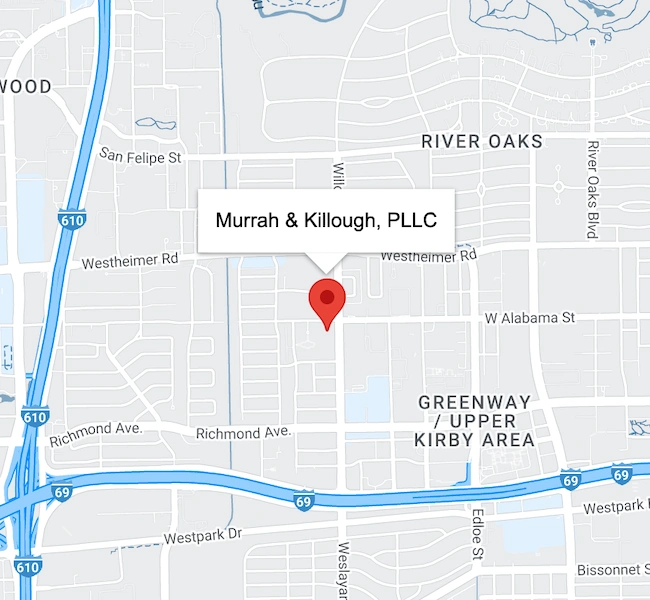
Houston Office
3000 Weslayan St.
Suite 305
Houston, Texas 77027
Phone
281-501-1601
Copyright © 2026 Murrah & Killough, PLLC. All rights reserved.
