

- About Us
- Business Law
- Civil & Commercial
- Antitrust Litigation
- Appellate Litigation
- Banking Litigation
- Breach of Contract
- Breach of Fiduciary Duty
- Business Partnership and Shareholder Disputes
- Commercial Arbitration
- Commercial Fraud
- Construction Litigation
- Employment Litigation
- Insurance Coverage Dispute
- Oil & Gas Litigation
- Pre-Litigation & Dispute Resolution
- Real Estate/Property Dispute
- Trade Secrets & Unfair Competition Litigation
- Family Law
- Resources
- Contact
Our Blog Post
Can I Sue a Trustee?

When You Can Take Legal Action Against a Trustee
Yes, you can sue a trustee if they have breached the fiduciary duties they owe to the beneficiaries of a trust. Texas law holds trustees to a high standard of conduct, and beneficiaries who believe a trustee has mismanaged assets, engaged in self-dealing, or failed to act in their best interest have legal options for holding that trustee accountable. If you are able to successfully sue a trustee for breach of fiduciary duty, they may be liable for damages out of their own pocket.
Grounds for Suing a Trustee
A trustee owes several core duties to the beneficiaries of a trust, and a lawsuit generally arises when one or more of those duties have been violated. Common grounds for a claim include:
- Self-dealing, meaning the trustee used trust assets for personal benefit
- Failure to provide an accurate accounting of trust assets and transactions
- Mismanagement or negligent investment of trust property
- Favoring one beneficiary over another without justification
- Failing to distribute assets according to the terms of the trust
Not every disagreement with a trustee’s decisions rises to the level of a breach. Trustees are generally given discretion to make reasonable judgment calls, so the question comes down to whether the trustee was negligent, acted in bad faith, or engaged in an undisclosed conflict of interest that the beneficiaries did not approve.
What the Law Requires of a Trustee
Under Chapter 114 of the Texas Property Code, a trustee can be held liable to a beneficiary for a breach of trust that results in a loss to the trust estate, a failure to make a profit that would have benefited the trust, or a profit the trustee made through the breach itself. This liability applies whether the breach was intentional or the result of carelessness.
Trustees are also expected to keep beneficiaries reasonably informed about the administration of the trust. A pattern of withheld information or unclear accounting is often one of the first signs beneficiaries notice before deciding to pursue a claim.
Remedies Available to Beneficiaries
If a court finds that a trustee breached their duties, several remedies may be available depending on the facts of the case, including:
- Removal of the trustee from their role
- An injunction to stop the trustee from taking further harmful action
- A monetary judgment for losses caused by the breach
- An order requiring a full accounting of trust transactions
- Reversal of transactions made in violation of the trust terms
- Recovery of attorney’s fees in certain circumstances
Which of these applies depends heavily on the extent of the harm, the trustee’s conduct, and the specific terms of the trust document.
Steps to Take Before Filing a Lawsuit
Before a lawsuit is filed, it often helps to request a formal accounting from the trustee. This puts the trustee on notice and creates a documented record of what has or has not been disclosed. If the trustee refuses to provide an accounting or the information raises further concerns, that refusal itself can become part of the basis for a claim.
It is also worth acting promptly, since claims against a trustee are subject to time limits under Texas law. Waiting too long to raise concerns can weaken your position, especially if records become harder to obtain or memories of key events start to fade.
Who Can Bring a Claim Against a Trustee
Generally, a beneficiary of the trust has the legal standing to bring a claim against a trustee. In some situations, a co-trustee or another interested party may also have grounds to act, particularly if the trust involves multiple parties responsible for oversight. Disputes involving trustees can arise across all forms of entities that serve in a trustee capacity, including individual trustees and corporate trustees alike.
Deciding Whether Your Situation Supports a Claim
Every trust and every trustee relationship looks different, and whether a specific action supports a lawsuit depends on the terms of the trust, the trustee’s conduct, and the harm involved. If you believe a trustee has failed in their duties, documenting your concerns and understanding your options early can make a difference in how the situation is resolved.
How Murrah & Killough Can Help
Breach of trust disputes require a close review of the trust document and a clear picture of what the financial records show. Our attorneys at Murrah & Killough, PLLC regularly handle breach of fiduciary duty claims involving trustees who have failed to meet their obligations to beneficiaries. If you have concerns about how a trustee is managing a trust, contact our team or call us today at 281-501-1601 to discuss your options.
Contact Murrah & Killough, PLLC for skilled probate and trust law litigation.
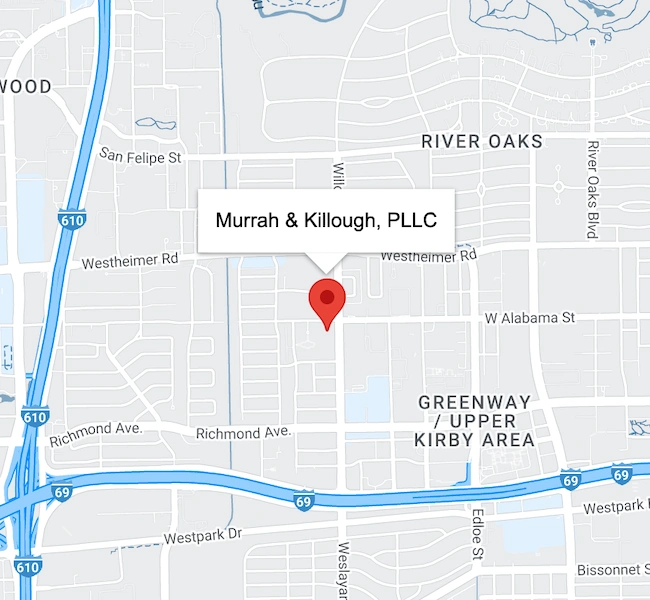
Contact the experienced lawyers at Murrah & Killough, PLLC today & schedule your free consultation. We proudly serve Houston, & all throughout Texas. Visit our law offices at:
Our Houston Office
3000 Weslayan St. Suite 305
Houston, Texas 77027
Phone: (281) 501-1601
Contact Our Team Today!
Fields Marked With An “*” Are Required
"*" indicates required fields

Houston Office
3000 Weslayan St.
Suite 305
Houston, Texas 77027
Phone
281-501-1601
Copyright © 2026 Murrah & Killough, PLLC. All rights reserved.
