

- About Us
- Business Law
- Civil & Commercial
- Antitrust Litigation
- Appellate Litigation
- Banking Litigation
- Breach of Contract
- Breach of Fiduciary Duty
- Business Partnership and Shareholder Disputes
- Commercial Arbitration
- Commercial Fraud
- Construction Litigation
- Employment Litigation
- Insurance Coverage Dispute
- Oil & Gas Litigation
- Pre-Litigation & Dispute Resolution
- Real Estate/Property Dispute
- Trade Secrets & Unfair Competition Litigation
- Family Law
- Resources
- Contact
Our Blog Post
Can I Sue an Executor?

What Counts as a Breach of Fiduciary Duty by an Executor?
Yes, Texas law allows beneficiaries and other interested parties to sue an executor who breaches their fiduciary duty to the estate. An executor owes beneficiaries duties of loyalty, care, and disclosure. When an executor puts personal interests ahead of the estate, courts can remove them, order them to repay losses, or award damages personally.
Simply disagreeing with an executor’s decisions is not enough on its own, but real misconduct gives beneficiaries a legitimate path into probate court to hold that person accountable.
What Fiduciary Duties Does an Executor Owe?
Under Texas Estates Code Chapter 351, an executor must manage the estate honestly, prudently, and in the best interest of the beneficiaries rather than themselves. This includes keeping estate funds separate from personal funds, making reasonable decisions about estate property, and providing beneficiaries with accurate information about the estate’s administration when requested. These duties apply whether the executor is a family member handling their first estate or a professional fiduciary managing several at once, and courts generally hold both to the same legal standard. There is no sliding scale based on the executor’s level of experience.
Common Grounds for Suing an Executor
Beneficiaries generally sue an executor because of specific misconduct, rather than a simple disagreement over how the estate is being handled. However, discord may prompt further investigation, which can reveal wrongful actions. A slow-moving executor who is still communicating and following through is different from one who is hiding information or spending estate money on themselves. Common grounds include:
- Self-dealing, such as buying estate property below market value or paying personal expenses from estate funds
- Misappropriation of estate assets, including transferring property into the executor’s own name
- Failure to provide an accounting after a beneficiary has properly requested one
- Negligent mismanagement that causes the estate to lose money, such as letting property fall into foreclosure
- Unreasonable delay in distributing assets without a valid explanation
What Remedies Are Available?
A court has several tools available once a breach of fiduciary duty is proven. These remedies include:
- Removal of the executor and appointment of a successor under Texas Estates Code § 404.003 or § 404.0035
- A surcharge, which requires the executor to repay losses caused by their misconduct personally
- An order compelling a full accounting of the estate’s finances
- Monetary damages to compensate beneficiaries for losses caused by the breach
- Injunctive relief to stop an executor from taking further harmful action while the case is pending
Courts do not award every remedy in every case. The specific facts and the seriousness of the misconduct generally determine which combination of these remedies a judge is willing to order. A one-time accounting delay caused by a busy schedule, for example, is treated very differently than a pattern of self-dealing spanning several years.
How Long Do You Have to Sue an Executor?
Claims for breach of fiduciary duty against an executor are generally subject to a four-year statute of limitations under Texas Civil Practice and Remedies Code § 16.004(a)(5). Because executors are presumed to have superior knowledge of the estate’s finances, courts sometimes apply the discovery rule, which can delay the start of those four years until the beneficiary knew or reasonably should have known about the breach.
Waiting too long to act can make a valid claim harder to pursue, since records may disappear and assets become harder to trace the longer time passes, particularly once property has already been sold or transferred. Beneficiaries who suspect a problem are generally better off gathering information early, even if they are not yet ready to file suit.
Building a Case Against an Executor
Suing an executor generally requires more than a general sense that something feels wrong. Beneficiaries need documentation, such as bank statements, property records, and prior accountings, to show a court exactly how the executor’s actions harmed the estate financially. Witness testimony from other family members, appraisers, or financial professionals can also help establish the full scope of the financial harm involved. Our breach-of-fiduciary-duty team can help gather this kind of evidence and present it clearly to the court.
Talk to Murrah & Killough, PLLC About Executor Misconduct
If you suspect an executor is mismanaging an estate or acting in their own interest instead of the beneficiaries’, it is worth having the situation reviewed before more damage is done. At Murrah & Killough, PLLC, we can help you understand whether the executor’s conduct constitutes a breach and what remedies may be available to you, whether that means an accounting, a surcharge, or removal from the case entirely.
Call 281-501-1601 or fill out an online contact form to discuss your situation.
Contact Murrah & Killough, PLLC for skilled litigation.
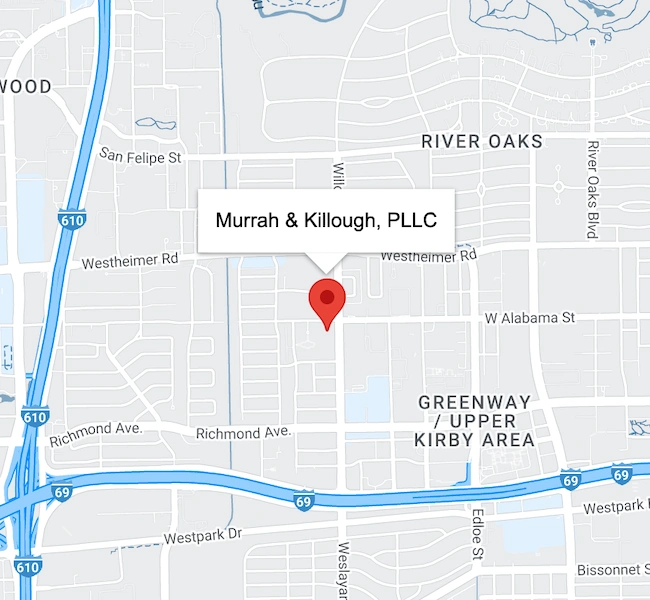
Contact the experienced lawyers at Murrah & Killough, PLLC today & schedule your free consultation. We proudly serve Houston, & all throughout Texas. Visit our law offices at:
Our Houston Office
3000 Weslayan St. Suite 305
Houston, Texas 77027
Phone: (281) 501-1601
Contact Our Team Today!
Fields Marked With An “*” Are Required
"*" indicates required fields

Houston Office
3000 Weslayan St.
Suite 305
Houston, Texas 77027
Phone
281-501-1601
Copyright © 2026 Murrah & Killough, PLLC. All rights reserved.
