

- About Us
- Business Law
- Civil & Commercial
- Antitrust Litigation
- Appellate Litigation
- Banking Litigation
- Breach of Contract
- Breach of Fiduciary Duty
- Business Partnership and Shareholder Disputes
- Commercial Arbitration
- Commercial Fraud
- Construction Litigation
- Employment Litigation
- Insurance Coverage Dispute
- Oil & Gas Litigation
- Pre-Litigation & Dispute Resolution
- Real Estate/Property Dispute
- Trade Secrets & Unfair Competition Litigation
- Family Law
- Resources
- Contact
Our Blog Post
How Social Media Can Impact Your Divorce Case
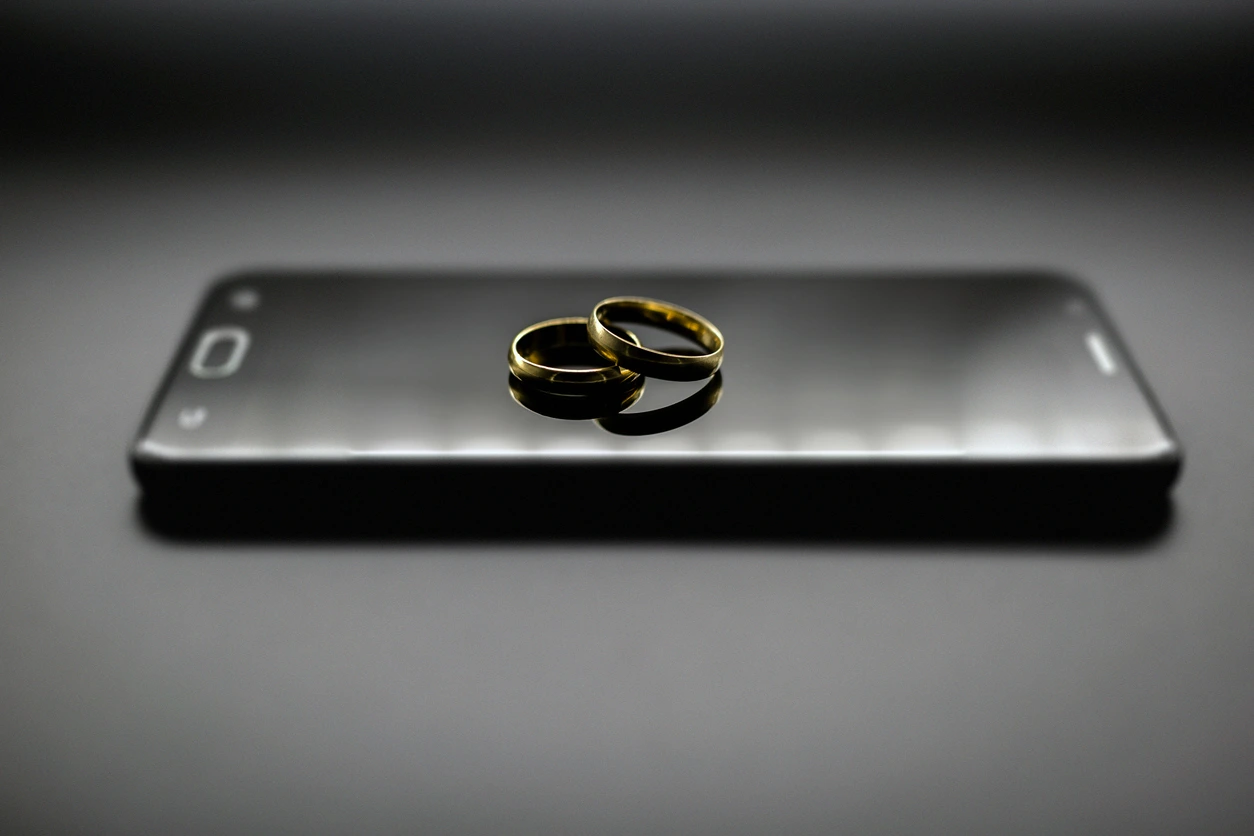
Social Media Posts and Their Effects on Divorce Evidence
Social media can hurt your divorce case when a post, photo, message, or location tag conflicts with what you tell the court about money, parenting, new relationships, travel, or daily behavior. In Texas, that kind of digital evidence can affect credibility, child-related decisions, and even property disputes.
Why Posts Cause So Much Trouble
Social media creates a running record of your life, and that record may not match the position you take in court during your divorce case. A parent who claims to spend every weekend with the children may post photos from late nights at concerts or bars. A spouse who says money is tight may upload pictures of expensive dinners, vacations, or shopping bags. Even joking comments can look very different when reviewed by a judge in the middle of a tense divorce.
Common problems include:
- Money posts: Photos or captions that suggest hidden spending, cash income, or property that was not disclosed.
- Parenting posts: Content that makes you look reckless, absent, hostile, or more focused on conflict than the children.
- Relationship posts: Pictures or messages that raise questions about adultery, timing, or honesty.
- Angry messages: Threats, insults, or ridicule aimed at your spouse, their family, or the court process.
What Courts May Notice
Texas courts focus heavily on facts that show judgment, honesty, and stability. If children are involved, the court’s main concern is their best interests. That means online behavior can matter when it points to poor decision-making, unsafe conduct, or an unwillingness to cooperate with the other parent.
In the same way, property division issues can be influenced by posts that hint at wasteful spending or hidden assets because Texas courts divide community property in a manner considered just and right, not always 50/50. A lawyer may use those posts either to support your position or challenge the other side’s story.
What You Should Avoid Right Away
The safest approach is not to treat social media like a private diary while your case is pending. Privacy settings help, but they do not guarantee protection if screenshots, shared posts, or direct messages surface later. Smart steps include:
- Stop posting about the case: Do not comment on the judge, your spouse, support, custody, or settlement talks.
- Turn off location sharing: Travel and overnight stays can create avoidable disputes.
- Do not delete blindly: Removing content after a dispute begins can raise spoliation concerns, meaning a court may draw negative conclusions from the fact that evidence was destroyed.
- Ask friends for restraint: Their tags, jokes, and photos can affect your case.
Talk to a Texas Divorce Attorney at Murrah & Killough, PLLC
Silence on social media is usually better than trying to post carefully. Before you upload anything, ask whether the same image or caption would sound harmless if read out loud in court. If the answer is no, it does not belong online.
Murrah & Killough, PLLC, handles family law matters in Houston, including divorce, custody, support, and property division. Our Texas divorce attorneys can evaluate how digital evidence may affect your case and guide you on the next steps to protect your interests. Use our online form or call (281) 501-1601 for a confidential consultation.
Contact Murrah & Killough, PLLC for skilled business law litigation.
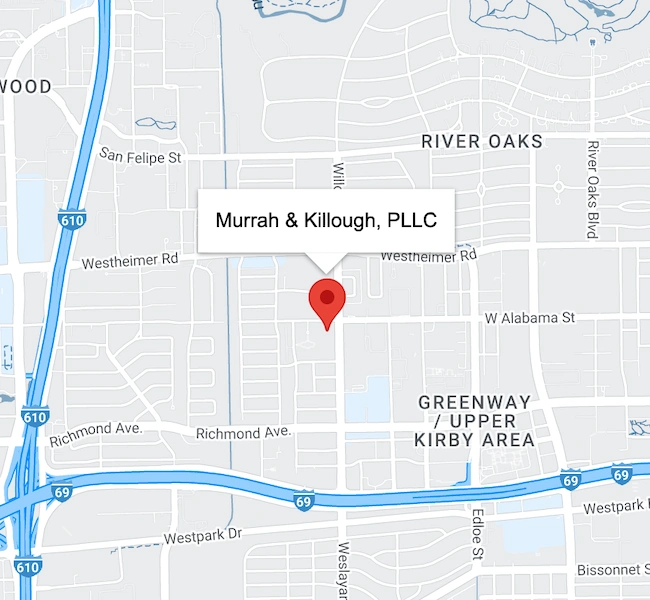
Contact the experienced lawyers at Murrah & Killough, PLLC today & schedule your free consultation. We proudly serve Houston, & all throughout Texas. Visit our law offices at:
Our Houston Office
3000 Weslayan St. Suite 305
Houston, Texas 77027
Phone: (281) 501-1601
Contact Our Team Today!
Fields Marked With An “*” Are Required
"*" indicates required fields

Houston Office
3000 Weslayan St.
Suite 305
Houston, Texas 77027
Phone
281-501-1601
Copyright © 2026 Murrah & Killough, PLLC. All rights reserved.
