

- About Us
- Business Law
- Civil & Commercial
- Antitrust Litigation
- Appellate Litigation
- Banking Litigation
- Breach of Contract
- Breach of Fiduciary Duty
- Business Partnership and Shareholder Disputes
- Commercial Arbitration
- Commercial Fraud
- Construction Litigation
- Employment Litigation
- Insurance Coverage Dispute
- Oil & Gas Litigation
- Pre-Litigation & Dispute Resolution
- Real Estate/Property Dispute
- Trade Secrets & Unfair Competition Litigation
- Family Law
- Resources
- Contact
Our Blog Post
Why Mexican Companies Should Choose a Legal Structure Before Investing in the U.S.
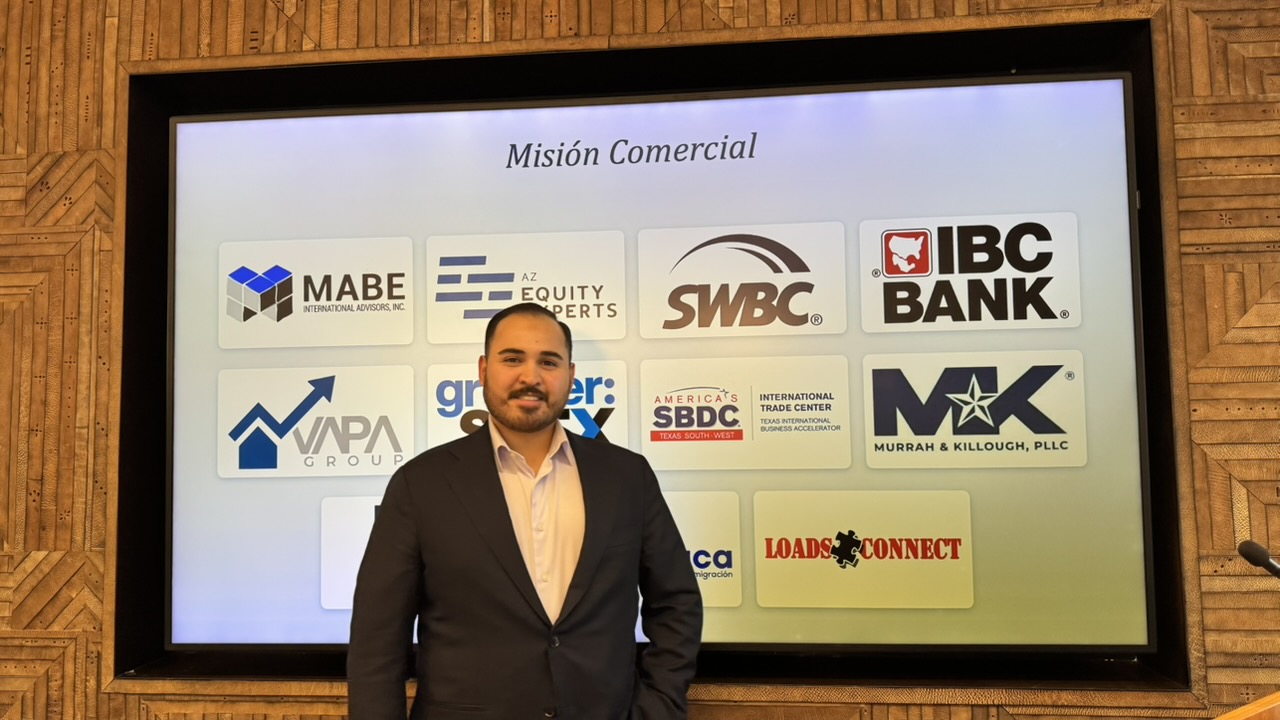
Daniel Vázquez on Planning the Structure Before the Money Moves
 Mexican companies should choose a legal structure before investing in the U.S. because that structure decides how risk, taxes, and future deals will work. A structure built around long-term goals makes it easier to protect assets, add partners, raise capital, or eventually sell.
As featured in Líder Empresarial, Daniel Vázquez, a partner at our firm, laid out these points at the San Antonio Trade Mission the publication organized.
Why Is Restructuring Later So Costly?
Vázquez often sees companies set up whatever entity gets them operating fastest, only to outgrow it once real money and partners are involved. As he put it, “Legal decisions are more expensive when they are made later.” Untangling an entity once money, contracts, and employees are tied to it can create avoidable tax and legal costs.
How Does a Mexican Company Choose Its U.S. Entity?
The limited liability company (LLC) is the familiar choice, but not always the right one. In Vázquez’s view, the best entity depends on the investor’s own tax position and on what the money is meant to do: stay in the business to fund growth, or come back to the owners as profit. Those answers also drive the tax result.
Why Keep U.S. and Mexican Operations Separate?
If the Mexican parent does business in the U.S. in its own name, a dispute here can pull the parent’s assets into the case. Vázquez’s fix is a separate U.S. company that stays connected to the parent, so trouble on one side of the border stays there.
Which Contract Terms Matter Most in the U.S.?
Mexican companies are used to the civil code filling in what a contract leaves unsaid. Vázquez warned that in the U.S., a protection left out of the agreement may simply not exist. He pointed to four terms worth a close read:
- Indemnification: Decides which side pays when an outside party causes harm or loss.
- Limits of liability: Puts a ceiling on what a company can owe under the agreement.
- Jurisdiction and governing law: Sets where a dispute is heard and which law applies.
- Regulatory and tariff changes: Spells out how costs and duties shift if new rules or tariffs take effect.
Drafting, reviewing, and negotiating these terms is part of our business contracts work for cross-border clients.
What Should a Company Know Before Leasing or Buying Property?
On the leasing side, Vázquez pointed to triple net leases, which can shift property taxes, insurance, and upkeep onto the tenant on top of base rent. When buying, he recommended working through a title company, which can trace past ownership, uncover unpaid debts or claims tied to the property, flag limits on building, and insure the ownership record. Our commercial real estate team handles that review as part of due diligence on acquisitions.
Get Guidance on Your Legal Structure Before Investing in the U.S.
Moving capital across a border is a big step. At Murrah & Killough, PLLC, we work with all forms of entities, and our bilingual attorneys understand how business works in both countries. To talk through the right legal structure before investing in the U.S., call 281-501-1601 or contact us today.
Contact Our Team Today!
Fields Marked With An “*” Are Required
"*" indicates required fields
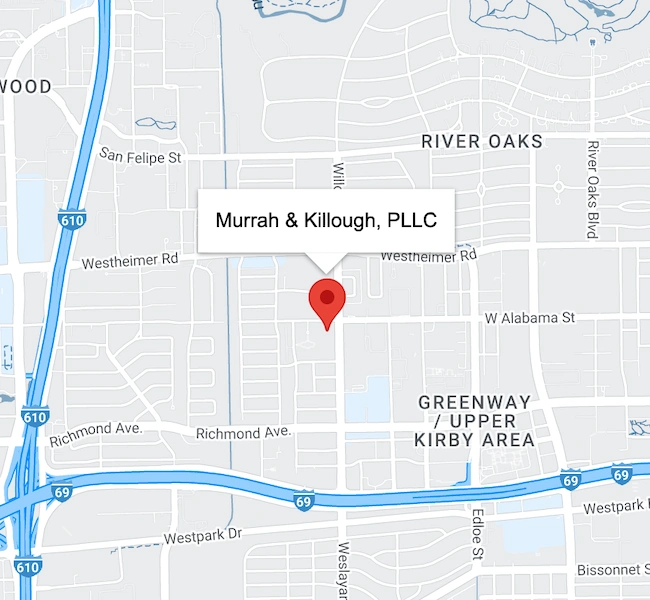
Houston Office
3000 Weslayan St.
Suite 305
Houston, Texas 77027
Phone
281-501-1601
Copyright © 2026 Murrah & Killough, PLLC. All rights reserved.
