

- About Us
- Business Law
- Civil & Commercial
- Antitrust Litigation
- Appellate Litigation
- Banking Litigation
- Breach of Contract
- Breach of Fiduciary Duty
- Business Partnership and Shareholder Disputes
- Commercial Arbitration
- Commercial Fraud
- Construction Litigation
- Employment Litigation
- Insurance Coverage Dispute
- Oil & Gas Litigation
- Pre-Litigation & Dispute Resolution
- Real Estate/Property Dispute
- Trade Secrets & Unfair Competition Litigation
- Family Law
- Resources
- Contact
Our Blog Post
What Is a Demand Letter and When Should My Business Send One?

How a Demand Letter Works and What It Should Accomplish
A demand letter is a written request that explains what went wrong, what your business wants, and when you expect a response before the dispute turns into a lawsuit. A Texas business should usually send one when it has a real claim, good records, and a reason to give the other side one last chance to fix the problem.
What a Demand Letter Does
A demand letter creates a clear record. It can show that your company tried to resolve the dispute before filing suit, and it may help the other side understand that the problem is not going away. These letters often involve unpaid invoices, failed deliveries, lease disputes, vendor problems, partner disputes, or other breaches of contract.
A strong letter is not just an angry complaint. It explains the facts in order, identifies the agreement or duty involved, states the amount owed or action required, and gives a deadline for response. A Texas business lawyer can help add pressure without overstating the claim or writing something that could hurt the company later.
When Texas Law Makes Notice Important
Some Texas claims have notice rules that can affect timing, fees, or strategy. For example, Texas Civil Practice and Remedies Code § 38.002 requires that certain claims be presented before a party can recover attorney fees. The opposing party then has 30 days to tender payment of the just amount owed.
Other Texas laws have their own notice rules. A claim under the Texas Deceptive Trade Practices Act usually requires written notice at least 60 days before filing suit, as stated in Texas Business and Commerce Code § 17.505. Construction payment and lien disputes may also involve notice deadlines.
What the Letter Should Include
A business demand letter should be direct, well-organized, and supported by documentation. It should include the following:
- Clear facts: Explain what happened, who was involved, and which agreement, invoice, order, lease, or promise supports the claim.
- Specific demand: State whether your business wants payment, return of property, corrected work, access to records, or another action.
- Deadline to respond: Give enough time for review while still protecting the company from delay.
- Supporting records: Refer to contracts, invoices, emails, delivery records, statements, or earlier notices.
- Reservation of rights: Avoid giving up claims, deadlines, remedies, interest, fees, lien rights, or the right to file suit.
When Sending One Makes Sense
A demand letter often makes sense when the other side may pay to avoid suit or the company needs to preserve a record of notice. Your business attorney may recommend sending one when any of the following apply:
- The dispute involves unpaid money: Past-due invoices, service fees, rent, or purchase balances often benefit from a clear written demand.
- The contract requires notice: Many commercial contracts require written notice and a chance to cure before a lawsuit or termination.
- A statute may require notice: Some Texas laws require notice before suit, and failing to take that step can slow the case or limit recovery.
- The company needs a paper trail: A written demand helps show what was requested, when it was sent, and how the other side responded.
When a Demand Letter May Be a Bad Move
A demand letter is not always the right first step. If the other side may hide assets, destroy evidence, transfer money, or file first in a less favorable court, waiting may create risk. The same is true when a deadline is approaching. Texas statutes of limitations can bar claims if a lawsuit is filed too late, and a demand letter does not automatically stop the clock. A Texas business lawyer should first review the facts if the dispute involves fraud claims, trade secrets, ownership, construction liens, a large unpaid balance, or other complicated legal concerns.
Texas Business Court and Local Filing Issues
Texas businesses should also consider where a dispute may end up if the demand letter does not work. The Texas Business Court handles certain complex business disputes and has operating divisions in Dallas, Austin, San Antonio, Fort Worth, and Houston. Smaller contract and collection disputes may still proceed in county court, district court, justice court, or arbitration.
That local filing picture affects the letter. A Houston vendor dispute, a Dallas shareholder fight, a Fort Worth construction payment claim, or an Austin software contract case may each call for different deadlines and records.
Do You Need to Send a Demand Letter?
At Murrah & Killough, PLLC, our focus is on making the demand letter useful before anyone spends more money on a dispute. We look at the contract, the business goal, the likely claims, the Texas notice rules, and the practical chance of payment or settlement. Our Texas business attorneys can help prepare a firm, clear letter tied to the records needed if the dispute moves into court or arbitration. You can use our online form or call 281-501-1601 for a confidential consultation.
Contact Murrah & Killough, PLLC for skilled business law litigation.
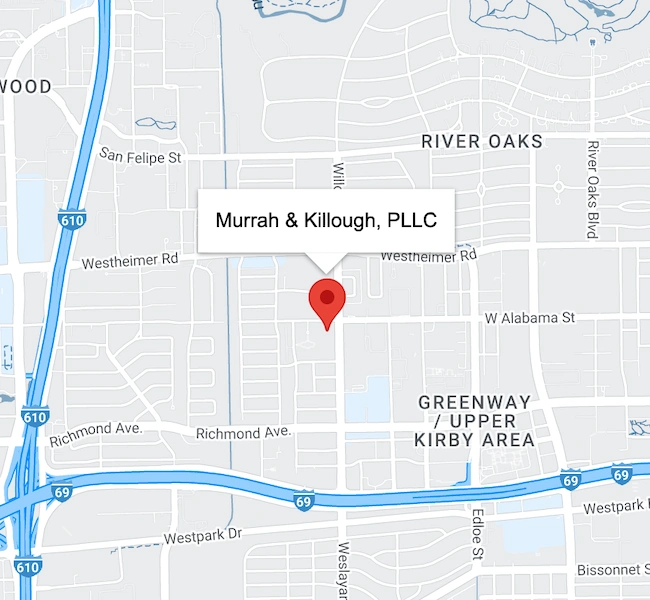
Contact the experienced lawyers at Murrah & Killough, PLLC today & schedule your free consultation. We proudly serve Houston, & all throughout Texas. Visit our law offices at:
Our Houston Office
3000 Weslayan St. Suite 305
Houston, Texas 77027
Phone: (281) 501-1601
Contact Our Team Today!
Fields Marked With An “*” Are Required
"*" indicates required fields

Houston Office
3000 Weslayan St.
Suite 305
Houston, Texas 77027
Phone
281-501-1601
Copyright © 2026 Murrah & Killough, PLLC. All rights reserved.
