

- About Us
- Business Law
- Civil & Commercial
- Antitrust Litigation
- Appellate Litigation
- Banking Litigation
- Breach of Contract
- Breach of Fiduciary Duty
- Business Partnership and Shareholder Disputes
- Commercial Arbitration
- Commercial Fraud
- Construction Litigation
- Employment Litigation
- Insurance Coverage Dispute
- Oil & Gas Litigation
- Pre-Litigation & Dispute Resolution
- Real Estate/Property Dispute
- Trade Secrets & Unfair Competition Litigation
- Family Law
- Resources
- Contact
Our Blog Post
What Is the Difference Between Litigation and Arbitration?

Two Paths to Resolving a Business Dispute
Litigation is a court case, whereas arbitration involves a neutral person hearing both sides and making a decision in a private setting. Another major difference is that litigation usually has public filings, formal court rules, and broader appeal rights, while arbitration is often more flexible, yet harder to appeal. A Texas civil and commercial litigation attorney can help a business decide which path fits the contract, the dispute, and the amount at stake.
Substantial Differences
Litigation happens in court. One party files a petition or complaint, the other party answers, and the case proceeds under the court’s rules. Business cases may involve contract claims, unpaid invoices, fraud claims, partnership disputes, construction problems, or real estate conflicts.
Arbitration usually happens outside the courthouse. The parties may agree in a contract that future disputes must go to arbitration rather than to court. In Texas, written arbitration agreements are generally enforceable under Texas Civil Practice and Remedies Code Chapter 171. If a contract involves interstate commerce, it may also fall under the Federal Arbitration Act.
What Happens in Litigation?
Litigation begins when someone files a lawsuit. The case may settle, but a judge or jury may decide the outcome. A commercial case in Houston may be filed in the Harris County District Courts or in federal court in the Southern District of Texas. Local rules and judge-specific procedures can affect timing, discovery, and settlement pressure. A Texas civil and commercial litigation attorney can review those details before a claim is filed.
Common features of litigation include:
- Public record: Most pleadings, motions, and orders are available to the public unless sealed by the court.
- Formal discovery: Parties often have broader tools to request records, emails, contracts, and testimony.
- Appeal rights: A losing party may have the right to appeal legal errors.
- Court authority: Judges can issue orders, enforce deadlines, and decide motions.
What Happens in Arbitration?
Arbitration starts when a party files a demand with the forum named in the contract or follows the method required by the agreement. The parties select an arbitrator, or the forum helps choose one. The arbitrator sets the schedule, reviews evidence, and issues an award.
Texas law gives courts a role in some arbitration issues. Texas Civil Practice and Remedies Code Chapter 171 allows a court to compel arbitration when a valid agreement applies and to confirm, modify, or vacate certain awards. Still, courts usually do not retry the case just because one side disagrees with the result.
Common features of arbitration include:
- Private process: Hearings and filings are often not public in the same way as court filings are.
- Limited discovery: The parties may have fewer chances to demand records or take depositions.
- Narrow appeal options: Arbitration awards are often final, with only limited grounds for challenge.
- Contract-based process: The arbitration clause may decide the forum, location, rules, and cost sharing.
Which Option Costs Less?
Arbitration may save money if the case moves quickly and discovery stays limited. It may cost more if the parties must pay filing fees, arbitrator hourly rates, hearing room fees, and forum costs. In court, the parties pay filing, discovery, deposition, and expert fees.
The better question is which process fits the dispute. A smaller unpaid invoice claim may not need a long court fight. A complex fraud case may need subpoena power and broad document discovery.
Can a Texas Court Require ADR?
Texas courts can refer many pending disputes to alternative dispute resolution under Texas Civil Practice and Remedies Code Chapter 154. ADR can include mediation, moderated settlement conferences, summary jury trials, and arbitration-style procedures. Mediation is different because a mediator helps the parties seek agreement, while an arbitrator decides the dispute.
How to Choose the Better Path
A contract may have already made that decision for you. Many business agreements include arbitration clauses, venue clauses, jury waivers, fee-shifting clauses, and notice requirements. Before a claim is filed, those terms should be reviewed closely.
Key questions include:
- Does the contract require arbitration? If it does, a court may pause or dismiss the lawsuit and send the dispute to arbitration.
- Is privacy important? Arbitration may help keep sensitive business information out of public filings.
- Is discovery needed? Court may be better when records, witnesses, or third-party subpoenas are central to the case.
- Is appeal protection important? Litigation usually offers more room to challenge legal errors on appeal.
A Lawyer with Murrah & Killough, PLLC Can Help You Make the Right Decision
At Murrah & Killough, PLLC, we represent clients in civil and commercial disputes from our Houston office. Once the main legal issues are clear, our team of Texas civil and commercial litigation attorneys can help assess whether litigation, arbitration, mediation, or another path makes the most sense.
Speaking with a Texas civil and commercial litigation lawyer early can help prevent a forum mistake that costs time, leverage, and money. Please do not hesitate to call 281-501-1601 or use our online form for a confidential case evaluation.
Contact Murrah & Killough, PLLC for skilled business law litigation.
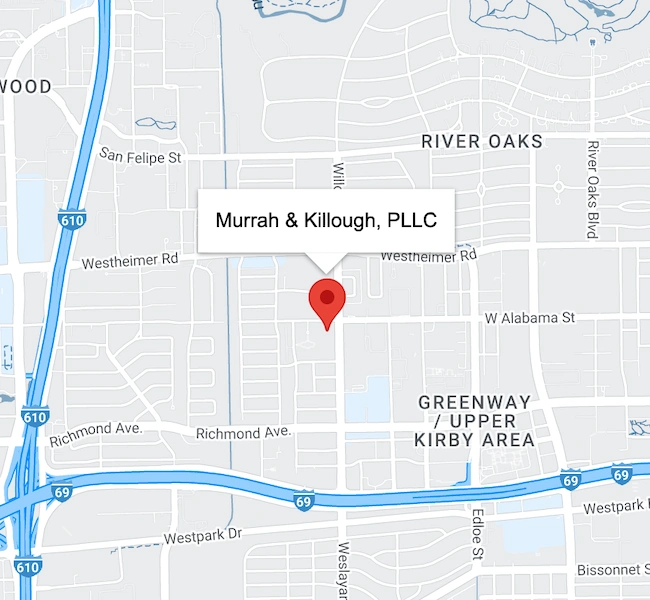
Contact the experienced lawyers at Murrah & Killough, PLLC today & schedule your free consultation. We proudly serve Houston, & all throughout Texas. Visit our law offices at:
Our Houston Office
3000 Weslayan St. Suite 305
Houston, Texas 77027
Phone: (281) 501-1601
Contact Our Team Today!
Fields Marked With An “*” Are Required
"*" indicates required fields

Houston Office
3000 Weslayan St.
Suite 305
Houston, Texas 77027
Phone
281-501-1601
Copyright © 2026 Murrah & Killough, PLLC. All rights reserved.
