

- About Us
- Business Law
- Civil & Commercial
- Antitrust Litigation
- Appellate Litigation
- Banking Litigation
- Breach of Contract
- Breach of Fiduciary Duty
- Business Partnership and Shareholder Disputes
- Commercial Arbitration
- Commercial Fraud
- Construction Litigation
- Employment Litigation
- Insurance Coverage Dispute
- Oil & Gas Litigation
- Pre-Litigation & Dispute Resolution
- Real Estate/Property Dispute
- Trade Secrets & Unfair Competition Litigation
- Family Law
- Resources
- Contact
Our Blog Post
What Mexican Companies Need to Resolve Before Doing Business in Texas

Mark Murrah on Putting the Business Model First
Before doing business in Texas, a Mexican company should know what it will do in the U.S. market, who will run it, how it will be funded, and which risks it will carry. Those answers should shape the legal structure.
As featured in Líder Empresarial, Mark Murrah, a founding partner of our firm, drew on work with Mexican manufacturing, agriculture, cosmetics, and pharmaceutical companies to explain what comes first.
Which Questions Come Before Choosing an LLC or a Corporation?
As Murrah put it, “Forming the entity isn’t the problem.” Getting the design right is the hard part, and a few basic questions shape it:
- Will the U.S. business sell, import, or manufacture?
- Will profits flow back to the parent company in Mexico?
- Is this a permanent move or a shorter-term project?
- Might U.S. investors come in later?
His most common warning sign is a company that lands customers before its structure is settled, leaving tax, employment, and contract questions for later.
Does a Mexican Company Have to Register in Texas?
A Mexican company that does business in Texas directly, rather than only through a Texas entity, generally must register with the Texas Secretary of State first. Section 9.001 of the Texas Business Organizations Code sets out which foreign companies must register, and the code’s rule on unregistered companies bars one from suing in a Texas court over that business until it registers, though it can still defend itself.
What Risks Should a Company Plan for Early?
Tax planning sits near the top of Murrah’s list, especially how funds will travel between Mexico and the U.S. He builds protection from three tools working together: the right entity, adequate insurance, and contracts that assign responsibility through indemnification terms. That matters in a U.S. market he calls far more litigious, where injury and vehicle claims get expensive. One logistics client of ours started operating before reviewing its structure, contracts, and insurance, and later had to rework them to cut its truck accident exposure.
Murrah suggests manufacturers split ownership: one company holds the plant property and leases it to a second company that runs operations, so the real estate sits outside the operator’s risks. Advising a Mexican client building a steel pipe plant near Houston also led him to recommend bringing in industrial real estate brokers early to assess power, water, and rail needs.
What Changes When a Company Buys an Existing U.S. Business?
Murrah draws a sharp line between buying a company’s assets and buying the company itself, since the second option can mean inheriting its old debts and liabilities. That is why due diligence, the review a buyer completes before closing, covers taxes, finances, contracts, employees, real estate, environmental issues, and litigation.
Preparing to Start Doing Business in Texas
Murrah’s final advice is to assemble a team before the move: attorneys, tax advisors, insurance specialists, and real estate brokers when needed. Expansion brings a steady run of decisions, and that team keeps each one on solid ground. At Murrah & Killough, PLLC, we serve businesses throughout Texas and Mexico and can act as your outside general counsel. Call 281-501-1601 or contact us to map out what your company needs to resolve before doing business in Texas.
Contact Our Team Today!
Fields Marked With An “*” Are Required
"*" indicates required fields

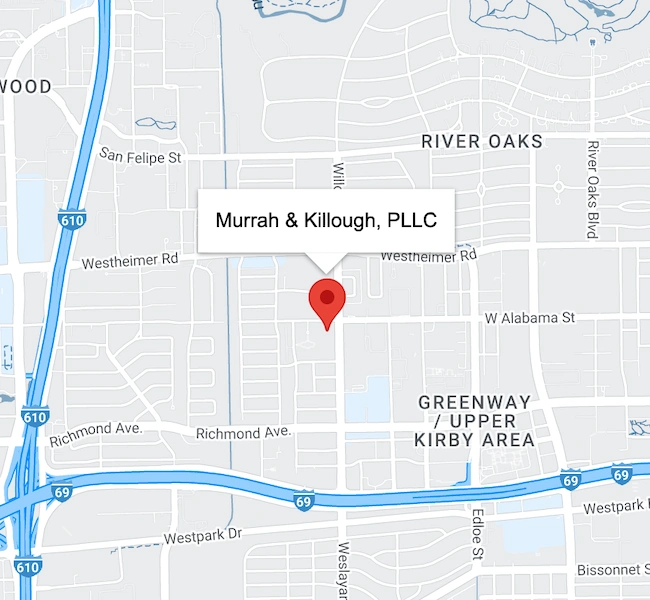
Houston Office
3000 Weslayan St.
Suite 305
Houston, Texas 77027
Phone
281-501-1601
Copyright © 2026 Murrah & Killough, PLLC. All rights reserved.
