

- About Us
- Business Law
- Civil & Commercial
- Family Law
- Resources
- Contact
Texas Business Relocation Lawyer
Trust Business Lawyers for a Smooth and Compliant Relocation

If you’re considering moving your business to Texas, you might be overwhelmed by the legal steps involved. Many business entities wish to open a new location or branch or relocate permanently to our state. A Texas business relocation lawyer can provide the help you need to handle these hurdles smoothly. With the right legal guidance, you can ensure a seamless and compliant transition for your business.
Ready to make your business move to Texas seamless and stress-free? Contact Murrah & Killough, PLLC today for legal guidance. Call us at 281-501-1601 to discuss your business relocation needs and ensure a smooth transition. Our experienced attorneys are here to help you every step of the way.
Relocating Your LLC to Texas
Moving your LLC to Texas can offer numerous benefits, including a favorable business climate, tax advantages, and a robust legal environment. However, the process involves several legal steps that require careful consideration. Engaging a knowledgeable Houston business relocation lawyer can ensure that this transition is both smooth and compliant with Texas regulations.
What to Expect During the Process
The process of moving your LLC involves several key steps, including dissolving your LLC in its current state, registering it in Texas, and transferring assets and contracts. Your attorney will help manage these tasks, coordinate with relevant state agencies, and handle any legal disputes that may arise. They will also provide ongoing support to ensure that your LLC remains in good standing with Texas laws.
By partnering with our experienced Texas Houston business relocation lawyer, you can streamline the relocation of your LLC to Texas, taking advantage of the many opportunities the state has to offer while minimizing legal risks and ensuring compliance.
The Role of a Attorney in Relocating Your Business
A Houston business relocation lawyer will guide you through the entire process. They can assist with filing the appropriate documents with the Texas Secretary of State, ensuring compliance with both federal and state regulations. This includes addressing issues related to business licenses, tax obligations, and employment laws. With their guidance, you can avoid common pitfalls and ensure that your business transition is legally sound.
Why Choose Texas for Your Business Relocation?
Texas is known for its business-friendly environment, making it an attractive destination for corporations. Texas has pro-business policies, straightforward and predictable regulations, and a diverse economy that supports various industries. This environment fosters growth and innovation, providing businesses with the stability they need to thrive.
One of the most compelling reasons to move your business to Texas is the significant economic and tax advantages. The state has no personal income tax, corporate income tax, or state income tax, and the franchise tax is structured to benefit small businesses with receipts of less than $1.8 million. This financial situation allows businesses to reinvest more of their profits into operations and growth, making Texas a business-friendly state in every sense. Please be aware that legal regulations including potential dollar amounts change over time.
Additionally, Texas offers:
- A large and highly educated workforce, supported by major universities and community colleges throughout the state
- A central location within the continental United States, facilitating easy access to global markets
- Extensive transportation infrastructure, including 14 international airports and major highways
These factors collectively make Texas an optimal choice for business relocation.
3 Steps to Move Your Business to Texas
Moving your business to Texas involves several key steps:
- Businesses must register with the Texas Secretary of State’s Office to legally transact business in the state. This includes both new entities and those relocating from another state. Failure to register can result in significant legal complications, including the inability to maintain legal actions in Texas courts until registration is completed.
- There are various options for transferring an out-of-state business to Texas. You can register as a foreign entity, dissolve and form a new Texas entity, or convert the out-of-state business into a Texas entity. Each method has its own set of requirements, benefits, and potential drawbacks. For instance, dissolving the out-of-state business and forming a new one in Texas gives a fresh start but may require paying start-up costs all over again. Consulting with legal and financial professionals from Murrah & Killough, PLLC can help determine the best course of action for your specific situation.
- An additional key step involves updating all legal documents—contracts, operating agreements, and employment agreements—to mirror the relocation. Businesses should determine which licenses and permits must be transferred or disconnected from the original state of incorporation. Ensuring that all these aspects are addressed will help in seamlessly transitioning your business operations to Texas.
Legal Considerations for Business Relocation
Moving a business to Texas involves several legal steps. Businesses must:
- Register with the state
- Obtain the necessary business licenses
- Ensure compliance with all relevant business laws
- Update operating agreements
- Handle any potential interstate litigation issues
- Determine which licenses and permits must be transferred or disconnected from the original state of incorporation.
Modifying legal documents such as contracts, operating agreements, and employment agreements marks an essential stage in the relocation process. These documents must reflect the new business entity’s status and comply with Texas laws. Additionally, if your business plans to employ staff in Texas, you need to determine both federal and state employer requirements. This includes understanding labor laws, tax obligations, and employee benefits.
For highly regulated entities, such as healthcare providers or financial institutions, obtaining the necessary licenses to operate in Texas is essential. Ensuring compliance with Texas laws not only avoids legal complications but also positions your business for smooth and uninterrupted operations in the new state.
At Murrah & Killough, PLLC, we can provide invaluable guidance through this process. Our experienced Houston business relocation lawyer will help you update your documents and ensure compliance with all necessary laws and regulations. We are here to make your business relocation as smooth and stress-free as possible.
Understanding Texas Business Organization Code
The Texas Business Organization Code provides a streamlined and organized legal framework for business operations in the state. Designed to be user-friendly, this code reduces the difficulty and administrative burden on businesses. It encompasses all forms of business entities, standardizing procedures for their formation, operation, and dissolution.
This code is imperative for businesses shifting to Texas to guarantee they function within legal boundaries and evade penalties. For instance, businesses must register and/or amend articles of incorporation and by-laws to comply with the Texas Business Organization Code (TBOC).
According to the TBOC, businesses must have a registered agent and a physical address in Texas, which cannot be a post office box. Following these requirements facilitates a smoother transition and helps establish your business firmly within the legal framework of the state.
Our team at Murrah & Killough, PLLC can assist you in understanding and complying with the Texas Business Organization Code. We will help you register your business, amend necessary documents, and ensure you meet all legal requirements. Our goal is to make your transition to Texas as smooth as possible, so you can focus on growing your business.
Business Licenses and Permits Required in Texas
Though Texas doesn’t mandate a general business license, businesses must identify the required licenses, permits, and certifications for specific operations. The 2024-2025 Texas Business Licenses & Permits Guide is an invaluable resource for identifying the specific requirements for your business. This guide details state-level permits or licenses required for various business activities.
The Texas Economic Development and Tourism’s Business Permit Office (BPO) can provide information and assistance on necessary licenses and permits for specific business activities. The BPO helps businesses navigate Texas’ permitting, licensing, and regulatory environment. Local permitting requirements must also be met by contacting the local county and city government.
For federal licenses and permits, information can be accessed through the U.S. Small Business Administration (SBA) website. Using a License and Permit Tracker template can help keep all federal, state, and local license and permit information safe and on hand. Ensuring compliance with these requirements is crucial for smooth business operations in Texas.
At Murrah & Killough, PLLC, we can help you identify and obtain the necessary licenses and permits for your business. Our experienced attorneys will guide you through the process, ensuring that you meet all local, state, and federal requirements. We simplify the regulatory environment, so you can put all your energy into running your business.
Tax Implications of Moving Your Business to Texas
Understanding the tax implications is a big part of moving your business to Texas. Federal tax obligations for businesses relocating to Texas are managed through the Internal Revenue Service (IRS), while the owner’s personal tax returns are handled separately. The Texas Comptroller of Public Accounts (CPA) handles state tax filings. Following these processes ensures compliance and avoids penalties.
One of the unique aspects of Texas’s tax system is the Texas franchise tax, a privilege tax imposed on taxable entities either formed or doing business in Texas. This means that businesses with total revenue below the designated amount are exempt from the franchise tax, providing significant benefits for small businesses.
The franchise tax rate varies depending on the type of business and profit margin. Understanding these rates and how they apply to your business, including sales tax, can help in effective tax planning and compliance.
Legal help from professionals like Murrah & Killough, PLLC can provide tailored advice on these matters. Whether you are dealing with complex regulatory requirements, intricate tax implications, or the nuances of employee contracts and benefits, having our seasoned professionals by your side can make all the difference.
We can assist you in handling the legal aspects, ensuring that every detail of your business relocation is managed with precision and care. From initial consultations to the final steps of your move, our guidance ensures that your transition is not only compliant with Texas laws but also strategically advantageous for your business growth. Our comprehensive approach covers everything from drafting and updating legal documents to advising on the best practices for maintaining operational continuity during the move.
Ensuring Compliance with Texas Laws
Following Texas law is required for a successful business shift because the Attorney General can stop an unregistered foreign business from operating in Texas. At Murrah & Killough, PLLC, we offer comprehensive compliance solutions, including procedures specifically tailored for businesses undergoing relocation. Our team of business relocation lawyers ensures that all aspects of your business operations align with Texas laws.
Compliance involves updating legal documents, obtaining necessary licenses and permits, and ensuring adherence to both federal and state employer requirements. Our extensive experience in handling business relocations makes us an invaluable partner in this process. Our tailored approach ensures that no detail is overlooked, providing peace of mind and allowing you to focus on growing your business in Texas.
Common Challenges in Business Relocation
The complexity of business relocation brings with it numerous challenges:
- Employee Reactions to Relocation: Employee reactions to relocation can pose significant challenges, as moving can be disruptive. Offering incentives can boost morale and ease the transition.
- Budget Limitations: Budget limitations are another common hurdle. Hiring a relocation company or using technology can help manage costs effectively.
- Managing Logistics: Managing logistics during a move requires significant time and effort. Outsourcing to a reliable moving company can streamline the process and reduce the burden on your team.
- Timing: Timing is essential for corporate relocation; detailed planning and scheduling can help avoid unnecessary expenses and missed deadlines.
- Effective Communication: Effective communication is vital to prevent misunderstandings and ensure everyone is on the same page.
Proper planning and professional guidance can help overcome these challenges. By addressing potential issues proactively, businesses can ensure a smooth transition and minimize disruptions to their operations. Legal help from experienced Houston business relocation lawyer at Murrah & Killough, PLLC can provide the necessary support to handle these challenges.
How Murrah & Killough, PLLC Can Assist You
At Murrah & Killough, PLLC, we provide comprehensive legal assistance for businesses looking to move to Texas. Our unique Collaborative Business Counsel™ approach ensures we work closely with you to understand your specific needs and act as trusted advisors throughout the relocation process. Our services include:
- Business Formation: We assist in setting up new business entities or transitioning existing ones to Texas, ensuring compliance with state laws.
- Contracts: We help draft, review, and update contracts to reflect your new business location, ensuring they comply with Texas regulations.
- Dispute Resolution: Our team is skilled in resolving any legal disputes that may arise during the relocation process.
- Strategic Counsel on Mergers and Acquisitions: We provide expert advice on mergers and acquisitions to facilitate seamless business expansion in Texas.
Our strategic negotiation services secure favorable terms while fostering trust and collaboration. Acting as your outside general counsel, we provide comprehensive legal assistance to ensure a seamless business transition to Texas.
We offer the following services related to business trades online:
- Trademark Registration: We help protect your brand by registering trademarks in Texas.
- Tax Planning and Compliance Advice Related to Corporate Structuring: We provide general guidance on various tax implications related to corporate structuring.
- Managing All Forms of Entities Disputes: We handle disputes across various industries to ensure your business operations remain uninterrupted.
With our extensive experience and client-focused approach, we ensure no detail is overlooked during your business relocation to Texas.
Contact Us for Business Relocation Assistance
Ready to make your business move to Texas seamless and stress-free? Contact Murrah & Killough, PLLC today for our seasoned legal guidance. Call us at 281-501-1601 to discuss your business relocation needs and ensure a smooth transition. Our dedicated business relocation attorneys are here to help you every step of the way.
Frequently Asked Questions
What are the legal implications of relocating my business’s contracts to Texas?
Relocating your business to Texas involves updating all your contracts to comply with Texas laws. This includes reviewing and potentially revising terms related to employment, vendor agreements, and service contracts. Ensuring that these contracts are enforceable under Texas law is crucial to maintaining smooth business operations. Consulting with a lawyer will help you navigate this process, ensuring all contracts are legally sound and reflect the new business location.
How can I handle employee contracts during a business relocation to Texas?
When relocating your business to Texas, you must review and potentially revise employee contracts to comply with Texas employment laws. This may include updating terms related to employment at will, non-compete clauses, and benefits. Legal counsel can assist in drafting new agreements or amending existing ones to ensure they are enforceable under Texas law.
What are the steps to register a foreign entity in Texas?
Registering a foreign entity in Texas involves several steps to ensure compliance with state laws. First, you must obtain a Certificate of Authority from the Texas Secretary of State. This requires submitting an application, including details about your business and a certificate of good standing from your home state. Additionally, you must appoint a registered agent in Texas who will handle legal documents on behalf of your business. Once registered, you must also file periodic reports and maintain good standing with the Texas Secretary of State. Consulting with a lawyer can help streamline this process and ensure all requirements are met.
What are the requirements for maintaining a registered agent in Texas?
In Texas, all businesses are required to have a registered agent who has a physical address in the state. The registered agent is responsible for receiving legal documents on behalf of the business. Ensuring that your registered agent meets these requirements is crucial for maintaining good standing with the Texas Secretary of State.
How do I transfer my business’s insurance policies to Texas?
Transferring your business’s insurance policies to Texas involves notifying your insurance provider of the relocation and updating your policy details to reflect the new address. You may need to obtain additional coverage to comply with Texas state laws and regulations. An attorney can guide you through this process and ensure that all necessary adjustments are made to protect your business adequately.
Additional Resources
Considerations When Seeking a Location For Your Texas Business
Registering A Trademark For Your Texas Business




Contact Our Team Today!
Fields Marked With An “*” Are Required
"*" indicates required fields

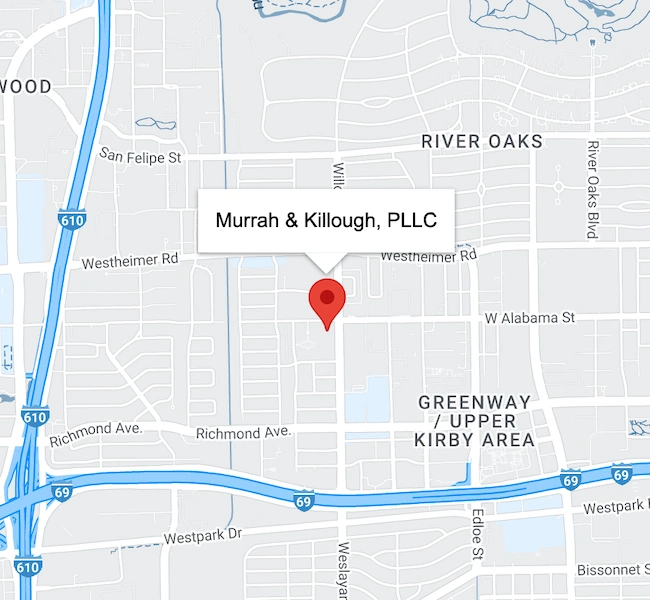
Houston Office
3000 Weslayan St.
Suite 305
Houston, Texas 77027
Phone
281-501-1601
Copyright © 2026 Murrah & Killough, PLLC. All rights reserved.
