

- About Us
- Business Law
- Civil & Commercial
- Family Law
- Resources
- Contact
Collaborative Divorce Attorney in Houston, TX
What Is Collaborative Divorce Under Texas Law?
 A collaborative divorce keeps the focus on problem-solving rather than courtroom litigation, and many families turn to a collaborative divorce lawyer in Houston, TX, when they want greater privacy and more control over outcomes. The goal is not to pretend everything is fine.
The goal is to reach a workable agreement with clear steps, honest financial sharing, and a plan you can live with after the papers are signed.
Our collaborative divorce attorneys at Murrah & Killough, PLLC can help you do exactly that. We are available to provide a confidential consultation, call us today at (281) 501-1601.
What Collaborative Divorce Means Under Texas Law
A collaborative divorce is a private, structured legal process in which both spouses and their attorneys commit to resolving all issues outside of court through negotiated settlement rather than litigation.
Texas has a specific framework for collaborative family law cases in Chapter 15 of the Texas Family Code. A collaborative divorce begins with a written participation agreement signed by both spouses and their counsel, which must include specific required terms.
That agreement is the rulebook for how you will negotiate, what you will share, and what happens if the process ends.
The collaborative process is designed to avoid contested court litigation.
That is why many people seek out a collaborative divorce attorney who can help them commit to the process with a plan that fits their situation, rather than treating collaboration as a vague promise of politeness.
How a Houston Collaborative Divorce Usually Moves Forward
 Most cases follow a steady rhythm. The spouses and their counsel meet, identify the issues that must be resolved, and build a schedule for exchanging information.
The discussions can cover property division, debts, spousal support, and parenting arrangements. In many respects, the process feels more like a structured settlement than a traditional divorce.
Local procedure also matters. In Harris County Family District Courts, a standing order often applies at the start of a divorce. If an order is in place, it can impose limits on actions involving children, property, insurance, and finances while the case is pending.
That reality is one of the reasons our lawyers often advise clients to treat early decisions as high-stakes, even if the case is expected to settle.
Information Sharing and Why It Is Necessary
Collaboration depends on both sides having the facts. Texas law includes provisions related to information sharing in collaborative family law cases, and it expects responsive sharing of information when requested. That does not mean you hand over every private detail of your life.
It means you exchange the financial and practical information needed to make fair decisions. At Murrah & Killough, PLLC, we can help you build a clean record of income, assets, debts, and expenses so the final agreement holds up and does not fall apart later.
When Collaborative Divorce is the Right Choice
The best candidates for a collaborative divorce are people who can commit to basic honesty and a forward-looking mindset, even if they are hurt or angry. These are some of the benefits the process can provide:
- Shared Desire for Privacy: The process can reduce public exposure in court and keep sensitive details more contained.
- Stable Communication Baseline: Conversations can be tense, yet both spouses can still exchange information and participate in meetings.
- Complex Finances That Need Thoughtful Planning: The focus can stay on solutions rather than point scoring.
- Kids Who Need Consistency: Co-parenting plans can be shaped around school routines, travel, and real-life logistics.
Situations That Often Call for a Different Approach
Collaboration is not the right tool for every marriage, and pushing it when it does not fit can waste time and money. A candid consultation with us can help you spot these issues early, before you invest months in a process that cannot deliver what you need:
- Safety Concerns or Coercion: Any pattern of fear, intimidation, or control can undermine the reliability of voluntary negotiation.
- Hidden Assets or Dishonest Disclosures: A process built on trust struggles when one spouse games the system.
- Refusal to Compromise: If one side wants punishment rather than resolution, collaboration may stall.
- Urgent Court Intervention Needs: Some situations require immediate court orders beyond limited emergency issues.
Property and Debt Considerations
Texas is a community property state, but that does not mean everything is split equally every time. The real work is sorting out what is community property and what is separate, how debts should be handled, and what a “fair” division looks like for your household.
Texas law also encourages spouses to settle disputes through written agreements incident to divorce, and courts can approve and incorporate those agreements into the final decree when they meet legal requirements.
A collaborative process often uses that settlement mindset from the outset, so the final paperwork reflects what you actually agreed to, not what a judge inferred.
Parenting Plans Built for Real Life
If children are involved, the conversation shifts from who is “winning” to which schedule works best. Texas law makes clear that the best interests of the child are always the primary consideration. That standard shapes custody, possession schedules, decision-making, and dispute resolution methods.
Our Houston collaborative divorce attorneys can help you build a parenting plan that fits school calendars, commute patterns, extracurricular activities, and extended family ties, while also setting clear rules for communication and future changes.
A strong plan reduces the likelihood of recurring conflict by addressing the questions that often trigger arguments later.
Reasons to Choose Murrah & Killough, PLLC
Collaboration works best when the legal work is organized, calm, and detailed. Murrah & Killough, PLLC is a Houston-based firm with family law services as part of our broader practice. That broader perspective matters when divorce issues overlap with business ownership, contracts, or long-term planning, because the agreement must function in the real world after the case ends.
Support is not just about being present in meetings. We also help you pressure-test the agreement before it becomes final.
Doing so means establishing timelines, property transfers, and the practical “who does what, and when” details that help prevent a decree from becoming a new source of conflict.
A case evaluation can help you decide whether collaborative divorce fits your facts, what risks to watch for, and what information you should gather first. Murrah & Killough, PLLC, offers consultations for Houston-area families who want a clear plan and straightforward answers, without turning the process into a fight.
Collaborative Divorce FAQs
Is Collaborative Divorce Faster in Houston Than a Traditional Divorce?
Time depends on how quickly both spouses provide documents and make decisions. Many families find that our attorneys can keep the process moving because meetings are scheduled based on your calendars, not crowded court dockets, while still respecting Texas rules.
Do We Have to File in Court If We Are Doing a Collaborative Divorce?
A filing is still common because a court must enter the final decree. Some couples sign the collaborative participation agreement early, while others file first. We can guide you on the best option for your specific situation.
What Happens If One Person Stops Cooperating?
The agreement you sign controls what happens next, and Texas law sets out required terms for the participation agreement. We can explain exit options, including which work can be reused and which issues may require a different dispute path if collaboration ends.
Can We Use Collaborative Divorce If We Have a House, Retirement Accounts, and Debt?
Yes, and those cases are often well-suited for structured settlement talks. We will typically focus on clear financial disclosure and on drafting a divorce agreement that can be approved by the court and enforced.
How Are Parenting Decisions Approved in a Collaborative Case?
Parents can develop a plan, but Texas courts still apply the best interests standard when reviewing matters involving children. Working with a Houston collaborative divorce lawyer often involves translating parenting agreements into court-ready language that meets Texas requirements and reduces future disputes.
Collaborative Divorce Attorneys Can Provide a Clear Next Step
If collaboration is what you want, the safest move is to confirm it aligns with your facts before you make promises to your spouse or sign anything.
A consultation with Murrah & Killough, PLLC can help you decide whether the collaborative track is realistic, what to gather first, and how to protect your finances and parenting goals from day one. Schedule yours by calling (281) 501-1601 or using our online contact form.
Related Articles




Contact Our Team Today!
Fields Marked With An “*” Are Required
"*" indicates required fields

Houston Office
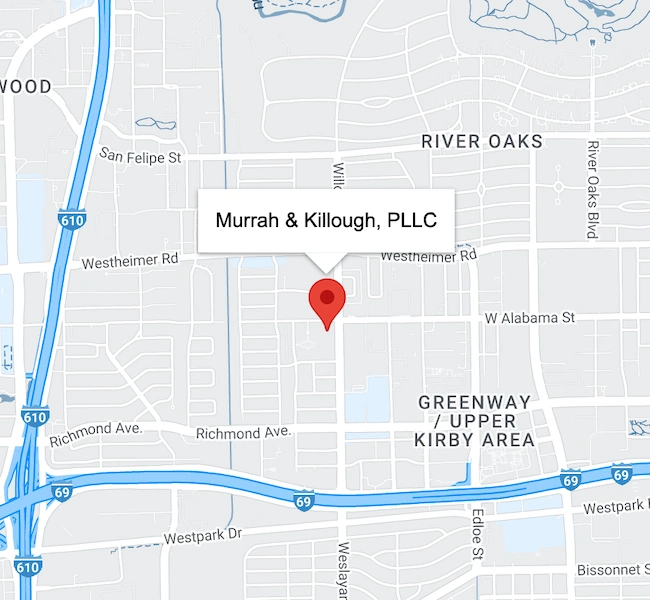
3000 Weslayan St.
Suite 305
Houston, Texas 77027
Phone
281-501-1601
Copyright © 2026 Murrah & Killough, PLLC. All rights reserved.
