

- About Us
- Business Law
- Civil & Commercial
- Family Law
- Resources
- Contact
Texas Employment Lawyer for Businesses
Reputable Texas Employment Attorneys Helping Businesses Avoid Legal Issues and Safeguard Your Company

In today’s complex business environment, understanding employment law is vital for any business owner. The maze of regulations can be daunting, but knowing the rules can make a significant difference in maintaining a compliant and productive workplace. By understanding the employment laws, businesses can avoid costly fines, foster a fair work environment, and ensure the well-being of their employees.
If you have questions or need personalized legal advice, Murrah & Killough, PLLC is here to help. Our experienced Houston employment lawyers can guide you through the intricacies of employment law to ensure your business remains compliant.
Call us today at 281-501-1601 to schedule a consultation and protect your business from potential legal pitfalls.
How Murrah & Killough, PLLC Can Help You
Understanding employment law can be challenging for any business. Murrah & Killough, PLLC Texas employment attorneys are here to provide legal guidance tailored to your specific needs. Our experienced team can assist you in several key areas:
Comprehensive Texas Employment Lawyer Consultation
We offer thorough consultations to understand your business’s unique needs and challenges. Whether you’re dealing with compliance issues or employment disputes, our team is equipped to provide sound legal advice. Our consultations are designed to be comprehensive, covering every aspect of employment law relevant to your business. This includes in-depth assessments of your current policies, practices, and any potential areas of concern. We aim to provide you with actionable insights and strategies to mitigate risks and enhance your compliance framework.
Policy Development and Review
Our Texas employment attorneys can help you develop and review workplace policies to ensure they comply with current labor laws. This includes drafting employee handbooks, creating anti-discrimination policies, and establishing clear internal complaint procedures. We also offer guidance on implementing these policies effectively within your organization. Regular policy reviews and updates are crucial to adapting to new legal requirements and maintaining a fair and equitable workplace. Our team stays up to date on the latest legal developments to ensure your policies are always up-to-date.
Employee Training Recommendations
We recommend the essential laws and regulations that your HR professionals and managers should be trained on. Staying informed about the latest legal changes and best practices in employment law helps mitigate risks and foster a compliant workplace. Training programs are tailored to your specific needs, ensuring that your team is well-versed in critical areas such as anti-harassment, wage and hour laws, and workplace safety. By investing in ongoing training, you can cultivate a knowledgeable and proactive workforce that is prepared to handle any legal challenges.
Dispute Resolution
From mediation to litigation, we offer various dispute resolution services to manage and resolve employment conflicts efficiently. Our goal is to protect your business while ensuring fair treatment for all parties involved. We provide dedicated representation in both informal and formal dispute resolution processes, including arbitration and court proceedings. Our approach is to resolve disputes as amicably and swiftly as possible, minimizing disruption to your business operations. We also offer preventative measures, such as conflict resolution training and the development of robust internal complaint mechanisms, to help you avoid disputes before they escalate.
5 Essential Employment Laws Every Business Should Know
The foundational employment laws include:
- The Fair Labor Standards Act (FLSA)
- The Family and Medical Leave Act (FMLA)
- Occupational Safety and Health Administration (OSHA) regulations
- Equal Employment Opportunity (EEO) laws
- The National Labor Relations Act (NLRA)
Compliance with these laws helps businesses avoid costly fines and legal trouble while fostering a culture of fairness and safety.
1. Fair Labor Standards Act (FLSA)
The Fair Labor Standards Act (FLSA) sets the standards for minimum wage, overtime pay, and child labor provisions, including child labor laws. Most U.S. employees must be paid at least the federal minimum wage of $7.25 per hour and overtime pay of at least 1.5 times the regular rate for hours worked over 40 in a workweek. The FLSA also includes specific provisions to protect young workers from hazardous conditions.
Adhering to the FLSA is important for providing just compensation to employees and preventing businesses from incurring penalties. For instance, the U.S. Department of Labor proposed to increase the minimum salary threshold for exempt employees, reflecting the ongoing updates to labor regulations.
2. Family and Medical Leave Act (FMLA)
The Family and Medical Leave Act (FMLA) provides eligible employees with up to 12 weeks of job-protected unpaid leave for specific family and medical reasons over 12 months. This law applies to public agencies, public and private schools, and companies with 50 or more employees. To qualify, employees must have worked for their employer for at least 12 months and 1,250 hours over the past 12 months.
Employers are required to continue group health benefits during the FMLA leave period. Recognizing and adhering to FMLA allows businesses to cater to their employees’ family and medical needs, keeping in line with legal requirements.
3. Occupational Safety and Health Administration (OSHA)
The Occupational Safety and Health Administration (OSHA) mandates that employers provide a safe and hazard-free workplace. This involves:
- Conducting regular safety inspections
- Reporting any workplace accidents that result in hospitalization, amputation, or loss of an eye within 24 hours
- Maintaining workplaces free from hazards that can cause serious injury or death.
Following OSHA regulations safeguard employees while preventing businesses from facing substantial penalties and enhancing overall workplace safety.
4. Equal Employment Opportunity (EEO) Laws
Equal Employment Opportunity (EEO) laws prohibit workplace discrimination based on the following characteristics:
- Race
- Color
- Religion
- Sex
- National origin
- Age
- Disability
- Genetic information
The Civil Rights Act of 1964 and the Americans with Disabilities Act (ADA) are key components of these laws, requiring employers to provide reasonable accommodations for employees with disabilities.
Creating a strong anti-discrimination policy and making work-related decisions based on facts instead of personal characteristics can prevent disputes and cultivate an inclusive workplace.
5. National Labor Relations Act (NLRA)
The National Labor Relations Act (NLRA) protects employees’ rights to unionize and engage in collective bargaining, including the establishment of a collective bargaining agreement. This law covers private sector employees, including those who work in non-unionized workplaces. Employers cannot retaliate against employees for participating in union activities protected by the NLRA. Recognizing and honoring these rights is vital for upholding a fair and law-abiding workplace.
Understanding and following these key employment laws keeps your workplace compliant and efficient. Another important part of employment law is correctly classifying your workers. Proper classification ensures you meet legal standards and protect your employees’ rights and benefits.
Employee Classification
Accurate classification of workers evades legal consequences and guarantees employees receive suitable benefits and protections. Misclassifying employees as independent contractors (workers who provide services to a business but are not considered employees) can lead to significant legal, financial, and reputational consequences for employers. Businesses could be held liable for employment taxes, including income, Social Security, and Medicare taxes if employees are misclassified without a reasonable basis.
Proper classification aids businesses in risk management and guarantees adherence to employment laws.
IRS Guidelines
The IRS uses a three-part test to determine worker classification, focusing on:
- Behavioral Control: Assesses whether the company controls or has the right to control what the worker does and how the worker does the job.
- Financial Control: Looks into whether the business directs or controls the financial and business aspects of the worker’s job.
- Relationship Of The Parties: Examines how the worker and the business perceive their relationship.
If you answered “yes” to any part of the three-part test, it likely means the worker is an employee; if “no,” they may be an independent contractor.
Companies may face up to a 3% penalty on wages for misclassified employees, along with other financial penalties and legal actions. Employers can participate in the IRS Voluntary Classification Settlement Program to correct worker misclassification issues with reduced penalties.
Fair Labor Standards Act (FLSA) Implications
Employees misclassified as contractors may miss out on benefits such as minimum wage protections and sick leave. The Fair Labor Standards Act (FLSA) sets minimum wage, overtime pay, recordkeeping, and youth employment standards affecting employees in the private sector and federal, state, and local governments. Proper classification under the FLSA helps businesses comply with these critical employment laws, ensuring that employees receive the appropriate benefits, protections, and compensation they are entitled to.
Wage and Hour Compliance
The Wage and Hour Division (WHD) is responsible for enforcing federal labor laws related to minimum wage, overtime pay, and child labor on behalf of the federal government. It also investigates and resolves complaints from workers regarding these issues. Failure to comply and adhere to wage and hour regulations can result in significant penalties for businesses.
Minimum Wage Requirements
Businesses must comply with the higher applicable minimum wage rate, whether it’s federal or state. The federal minimum wage is $7.25 per hour, but many states have set higher rates. Currently, 34 states have minimum wages above the federal rate, while five states have not adopted a state minimum wage, defaulting to the federal rate. Ensuring you follow minimum wage rules is crucial for fair pay and staying legal.
Overtime Pay Regulations
Nonexempt employees must receive overtime pay for hours worked over 40 in a workweek, as mandated by the FLSA. This pay must be at least 1.5 times the regular rate. Exempt employees, who do not receive overtime pay, must be paid a salary of at least $684 per week.
Employees are classified as nonexempt if they are entitled to overtime pay, typically because they earn below the salary threshold or do not meet specific job duty criteria. For example, a customer service representative earning an hourly wage of $15 per hour and working 45 hours in a week must be paid 1.5 times their regular rate for the 5 hours of overtime. This ensures they receive fair compensation for the extra hours worked.
Exempt employees usually hold higher-level positions, such as executive, administrative, or professional roles, and meet both the salary and job duty requirements set by the FLSA. For example, a marketing manager who earns a salary above the threshold and whose primary duties include managing a team and making strategic decisions would be classified as an exempt employee. This means they are not entitled to overtime pay, even if they work more than 40 hours in a week.
Please be aware that legal regulations, including potential dollar amounts for salaries or hourly wages, change over time. For the most current and accurate information, consult with a Texas employment lawyer to ensure accuracy in your specific situation.
Recordkeeping Obligations
Employers must maintain accurate records of employees’ work hours and wages to demonstrate compliance with wage and hour laws. These records should be retained for at least three years under the Fair Labor Standards Act. Accurate timekeeping records help in defending against wage and hour disputes and ensure that employees are compensated correctly.
Employee Benefits and Protections
Federal laws require businesses to provide specific employee benefits and protections, such as health insurance, retirement plans, and whistleblower protections. Correctly classifying eligible workers ensures that employees receive proper benefits such as health insurance, unemployment insurance, and Social Security.
These requirements help businesses meet their obligations and support their employees’ well-being.
Health Insurance Requirements
The Affordable Care Act (ACA) includes provisions aimed at helping small employers provide health insurance to their employees. The ACA established the Small Business Health Options Program (SHOP) for small employers with 1-50 full-time and full-time equivalent employees. Employers must offer health insurance to eligible employees within a 90-day maximum waiting period.
Small employers with fewer than 50 full-time employees are exempt from the Employer Shared Responsibility Payment, meaning they are not subject to penalties for not providing health insurance.
Retirement Plans and ERISA
The Employee Retirement Income Security Act (ERISA) sets minimum standards for retirement and health benefit plans in private industry to protect individuals in these plans. Fiduciaries managing retirement plans must act in the best interests of plan participants and beneficiaries. ERISA requires plans to provide participants with important information about plan features and funding.
Guaranteeing adherence to ERISA enables businesses to offer valuable benefits to their employees and avoid potential legal complications.
Whistleblower Protections
The Whistleblower Protection Act safeguards employees who disclose information on activities they believe are illegal or dishonest. This act safeguards employees who disclose information on activities they believe are illegal or dishonest. For example, if an employee discovers that their company is violating labor laws by not paying overtime wages and reports this to the authorities, they are protected from retaliation under various federal statutes when they report violations of labor laws.
The OSHA Whistleblower Protection Program protects employees who report violations from retaliation. Employers who retaliate against employees under the Whistleblower Protection Program are violating the law.
Workplace Safety and Health
Employers must comply with OSHA regulations to ensure a safe and healthy work environment. OSHA’s mission includes setting and enforcing standards to ensure workplace safety and health. Following the General Duty Clause of the OSH Act is essential. It requires employers to keep the workplace free from serious recognized hazards to protect employee well-being.
Hazard Identification and Mitigation
Regular inspections and risk assessments help find and fix workplace hazards. Employers should regularly inspect work areas to identify and document any new or recurring hazards. Gathering and reviewing information from internal and external sources about potential workplace hazards leads to a comprehensive hazard identification process.
Mitigation measures may include engineering controls, administrative controls, and personal protective equipment to reduce or eliminate hazards. For example, in a manufacturing plant, engineering controls might involve installing ventilation systems to reduce exposure to harmful fumes, administrative controls could include rotating workers to minimize repetitive strain and personal protective equipment might involve providing gloves and safety goggles to protect against chemical spills.
Employee Training and Reporting
Ongoing safety training and clear reporting procedures promote a safe workplace and facilitate prompt hazard correction. Regular safety training improves employee awareness about potential hazards and the importance of safety protocols. Effective training programs should cover topics such as safe lifting techniques, fall protection, and emergency evacuation procedures.
Employers must ensure that employees have access to safety training and resources, including information on hazardous chemicals.
Compliance Inspections
Employers should prepare for OSHA inspections by maintaining up-to-date records and documentation of safety measures. OSHA inspections ensure that workplaces comply with safety standards; employers should be prepared by maintaining proper documentation and ensuring compliance with safety protocols.
Responding to an OSHA inspection involves understanding the rights and responsibilities of both the employer and the inspector, including cooperation and timely provision of requested information. Responding promptly to OSHA inspection findings can help businesses avoid penalties and improve workplace safety.
Handling Employment Disputes
Effective communication and clear internal complaint procedures can help resolve employment disputes and prevent escalation. Encouraging open communication and addressing issues early can prevent many disputes from becoming formal legal cases.
Setting up a system for managing disputes upholds a fair and compliant workplace.
Internal Complaint Procedures
Establishing clear internal complaint procedures helps in resolving issues before they escalate to formal disputes. Implementing a clear, step-by-step process for filing and addressing complaints ensures consistency and fairness. Employees should be made aware of their rights and responsibilities at work as part of internal complaint procedures.
Maintaining confidentiality throughout the complaint process helps protect all parties involved.
Alternative Dispute Resolution
Alternative dispute resolution methods like mediation can often be faster and less expensive than litigation. Mediation is generally more cost-effective and quicker compared to arbitration and litigation. Mediation is a voluntary process that focuses on facilitating communication between parties to reach a mutually acceptable resolution.
It involves a neutral third party facilitating a resolution between disputing parties and is typically confidential, encouraging open communication.
Litigation Considerations
Litigation may be necessary when alternative dispute resolution methods fail to resolve the conflict. It should be considered when disputes can’t be resolved through internal or ADR methods.
Preparing for litigation means gathering all relevant documents and evidence as soon as possible. It’s important to hire an experienced Houston employment lawyer from Murrah & Killough, PLLC to help with employment litigation.
Keeping Your Business Compliant
Businesses must ensure compliance with various federal and state employment laws to avoid legal issues and costly penalties. Regularly reviewing labor law aids businesses, including those employing seasonal agricultural workers, in avoiding difficulties, ensuring employee satisfaction and safety under the existing labor laws.
Regular Policy Reviews
Frequent policy reviews guarantee business practices stay in line with current legal norms. They help identify outdated practices that may not comply with current laws. Periodic reviews help businesses manage risk by addressing potential issues before they escalate.
Ensuring the company adapts to new legal requirements promptly is key to maintaining compliance.
Employee Handbook Updates
Consistent updates to employee handbooks ensure that employees are informed about the most recent company policies and legal alterations. Keeping the employee handbook current ensures that all employees are aware of their rights and responsibilities.
An updated employee handbook can prevent misunderstandings and disputes, contributing to a more harmonious workplace.
Training and Education
Regular training for HR guarantees they remain updated on the latest legal changes. Offering training to managers on conflict resolution techniques helps in mitigating legal risks. Providing management education on employment law is essential for averting violations and upholding a compliant workplace.
Contact Us to Operate Your Business with Confidence
Employment law is constantly evolving, and staying up-to-date is essential. We offer ongoing legal support to help you meet new regulations and maintain compliance, ensuring your business operates within the bounds of the law. Our support services include regular legal updates, compliance audits, and risk assessments. We work closely with you to identify potential legal issues and provide proactive solutions. By partnering with our Texas employment lawyers for ongoing legal support, you can focus on running your business with the confidence that you are fully compliant with all applicable employment laws.
Call Murrah & Killough, PLLC today at 281-501-1601 to schedule a consultation and protect your business from potential legal pitfalls.
Frequently Asked Questions
How does the Americans with Disabilities Act (ADA) impact employment practices?
The ADA requires employers to provide reasonable accommodations to employees with disabilities, ensuring they can perform their job duties. This may involve modifying work schedules, offering assistive technologies, or altering the physical workspace. Employers must also ensure that their hiring practices do not discriminate against individuals with disabilities.
What are the legal requirements for employee termination?
Employee termination must comply with both federal and state laws, which often include providing notice and ensuring the termination is not discriminatory. Employers should document performance issues and follow a consistent process to avoid wrongful termination claims. It’s also essential to provide any final paychecks and benefits as required by law.
Can employers monitor employee communications in the workplace?
Employers generally have the right to monitor employee communications on company-owned devices and networks, but they must inform employees of this policy. Transparency is key, and having a clear, written policy helps protect the employer from privacy violation claims. However, certain communications, like those with legal counsel, may be protected and should not be monitored.
Are there specific laws governing remote work arrangements?
While there are no federal laws specifically governing remote work, existing employment laws still apply. Employers must ensure remote workers are compensated fairly, including overtime pay if applicable, and maintain a safe work environment. It’s also important to have clear policies outlining expectations, communication protocols, and equipment usage.
What steps should a business take if an employee files a discrimination complaint?
If an employee files a discrimination complaint, businesses should take the following steps:
- Acknowledge the Complaint: Promptly acknowledge receipt of the complaint and assure the employee that it will be taken seriously and investigated thoroughly.
- Conduct an Investigation: Initiate a thorough and impartial investigation into the complaint. This may involve interviewing the complainant, the accused, and any witnesses, as well as reviewing relevant documents and records.
- Maintain Confidentiality: Ensure that the investigation is conducted confidentially to protect the privacy of all parties involved. Only those who need to know should be informed about the details of the complaint.
- Take Interim Measures: If necessary, take interim measures to prevent further discrimination or retaliation while the investigation is ongoing. This could include temporarily reassigning the accused or adjusting work schedules.
- Document Everything: Keep detailed records of the complaint, the investigation process, findings, and any actions taken. Documentation is crucial for legal compliance and future reference.
- Implement Corrective Actions: If the investigation confirms the discrimination complaint, take appropriate corrective actions. This might include disciplinary measures against the perpetrator, policy changes, or additional training for employees.
- Communicate the Outcome: Inform the complainant of the investigation’s outcome and any actions taken. Ensure that they understand the steps the company is taking to address the issue.
- Prevent Retaliation: Make it clear that retaliation against the complainant or any witnesses will not be tolerated. Monitor the situation to ensure that no retaliatory actions occur.
- Review and Update Policies: Use the incident as an opportunity to review and update anti-discrimination policies and training programs to prevent future issues.
By following these steps, businesses can address discrimination complaints effectively and foster a fair and inclusive workplace environment, ensuring that all employees feel respected and valued.
Related Resources




Contact Our Team Today!
Fields Marked With An “*” Are Required
"*" indicates required fields
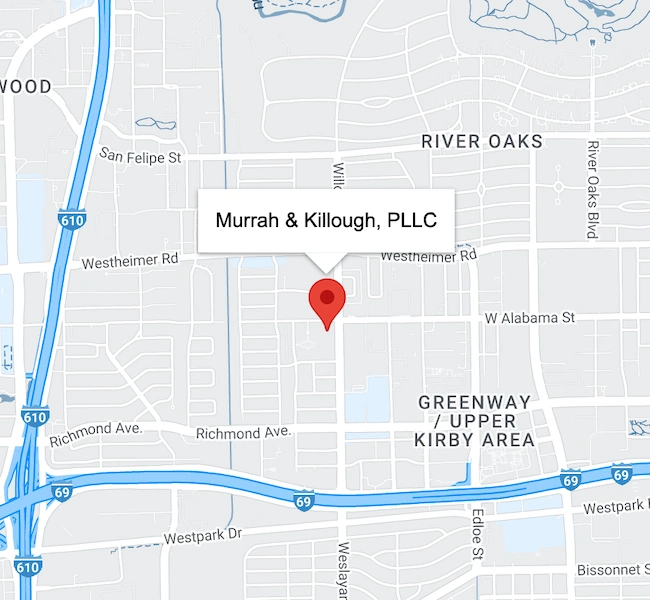
Houston Office
3000 Weslayan St.
Suite 305
Houston, Texas 77027
Phone
281-501-1601
Copyright © 2026 Murrah & Killough, PLLC. All rights reserved.
