

- About Us
- Business Law
- Civil & Commercial
- Family Law
- Resources
- Contact
Our Blog Post
Leveraging IRS Form 637 in Fuel Exports to Mexico: A Strategic Financial Advantage

In the intricate realm of international fuel trade, understanding and utilizing IRS Form 637 applications is crucial for businesses, particularly those targeting the Mexican fuel import market. This form, essential for companies in the fuel industry, is not just a bureaucratic requirement but a strategic tool that offers a significant competitive advantage in managing cash flow and reducing tax liabilities.
The Importance of Form 637 in Managing Excise Tax
IRS Form 637 is a registration application for certain excise tax activities, including the export of taxable fuel. The key benefit of obtaining this registration lies in the management of excise tax payments. Typically, companies dealing in fuel must pay excise taxes ‘as they go,’ meaning these taxes are paid at the time of fuel production or importation. This process can lead to significant upfront cash outflows, which can impact a company’s liquidity and operational efficiency.
However, companies registered through Form 637 are granted a waiver from these immediate excise tax payments when exporting fuel. This waiver means that registered exporters do not have to bear the burden of upfront tax payments, thus maintaining better cash flow and reducing immediate financial outlays. In an industry where margins can be tight and cash flow is king, this advantage is substantial. It allows companies to redirect funds that would have been tied up in tax payments towards other operational needs, investments, or growth opportunities.
Navigating the Application Process
Applying for Form 637 registration requires companies to provide detailed information about their business operations and comply with specific IRS criteria. The process is stringent, as the IRS ensures that only eligible entities benefit from this tax advantage. Thus, accurate and complete application submission is crucial to avoid any delays or denials that could impact business operations.
The Mexican Fuel Import Market: A Realm of Opportunities
Mexico’s fuel import market represents a significant opportunity for U.S. exporters. The country’s reliance on imported fuel, coupled with its economic growth, makes it an attractive destination. However, to successfully penetrate this market, companies must not only leverage their Form 637 status but also navigate Mexico’s complex regulatory environment, which includes quality standards and environmental regulations.
Competitive Advantage through Form 637
Having a Form 637 registration offers more than just a tax benefit; it provides a competitive edge. Companies with this registration can operate with more financial flexibility, an advantage that is particularly significant in the competitive landscape of international fuel trade. This financial leverage can be a deciding factor in winning contracts, optimizing supply chains, and achieving better pricing strategies.
A Strategic Asset for Companies
IRS Form 637 is not just a tax formality but a strategic asset for companies exporting fuel to Mexico. It allows them to manage excise tax payments more effectively, enhancing cash flow and providing a significant competitive edge in a challenging market. As the Mexican fuel import market continues to grow and evolve, savvy companies that understand and utilize the benefits of Form 637 will be well-positioned to capitalize on the opportunities this market presents.
This is where having a knowledgeable, up-to-date cross border legal counsel benefits and protects your business. Contact our business law attorneys at Murrah & Killough ensure the best steps are taken for your business.
Contact Our Team Today!
Fields Marked With An “*” Are Required
"*" indicates required fields

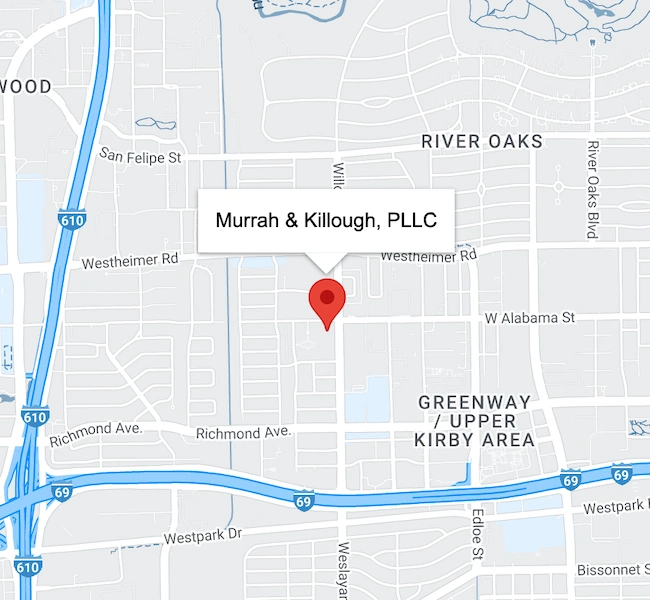
Houston Office
3000 Weslayan St.
Suite 305
Houston, Texas 77027
Phone
281-501-1601
Copyright © 2026 Murrah & Killough, PLLC. All rights reserved.
