

- About Us
- Business Law
- Civil & Commercial
- Family Law
- Resources
- Contact
Our Blog Post
How Long Does a Judgment Last in Texas?

Civil Court Judgements in Texas
Knowing how long a judgment remains enforceable—and how to keep it valid—helps you protect your rights and recover the money you’re owed. Call Murrah & Killough, PLLC, at (281) 501-1601 to schedule a consultation with one of our judgment collection lawyers in Texas who can help you enforce your judgment and navigate the collection process.
How Long Does a Judgment Last in Texas?
Texas law provides that judgments remain enforceable for ten years from the date of signing or from the date the judgment becomes final after appeal. Texas Civil Practice and Remedies Code Section 34.001 establishes this ten-year period.
Methods Lawyers Use to Collect Judgments
Attorneys employ various legal tools to enforce judgments and collect money owed to their clients. Depending on the circumstances of your case, they may pursue:
- Post-Judgment Discovery: Lawyers issue interrogatories, requests for production, and subpoenas to uncover the debtor’s assets, bank accounts, employment information, and property holdings. Discovery provides the intelligence necessary to identify targets for collection efforts.
- Writs of Execution: Courts issue writs directing sheriffs or constables to seize and sell the debtor’s non-exempt property to satisfy the judgment. Execution writs enable the forced sale of vehicles, equipment, inventory, and other tangible assets.
- Bank Garnishments: Lawyers obtain court orders requiring banks to freeze and turn over funds from the debtor’s accounts to satisfy the judgment. Garnishment provides direct access to liquid assets without requiring property sales.
- Turnover Orders and Receiverships: Courts can order debtors to turn over specific property or appoint receivers to take control of assets and income streams to satisfy judgments. These remedies work particularly well for business assets or real property.
- Charging Orders: Courts charge the debtor’s ownership interests in partnerships or limited liability companies, redirecting distributions to the judgment creditor. Charging orders reach assets that other collection methods cannot access directly.
- Legal Action for Fraudulent Transfers: Lawyers pursue claims to set aside transfers the debtor made to avoid paying the judgment. Fraudulent transfer actions recover assets that the debtor attempted to place beyond the reach of creditors.
Renewal of Judgment Before It Becomes Dormant
Creditors must renew judgments before the ten-year deadline to keep them enforceable and prevent them from becoming dormant. Renewal extends the judgment for another ten years and protects your right to collect.
Failure to Renew
Failing to renew your judgment before it expires creates significant complications and risks of losing your ability to collect. Potential consequences include:
- Loss of lien status.
- Reduced collection options.
- Concerns with the statute of limitations.
Successful Renewal
Successfully renewing your judgment before expiration provides continued enforcement power and collection opportunities. Benefits of timely renewal include:
- Renewal grants another ten years.
- Renewed judgments retain their original lien priority date.
- You continue using all enforcement mechanisms without gaps in your authority.
How Our Lawyers Assist With Judgment Renewals in Texas
Our Texas judgment collection attorneys at Murrah & Killough, PLLC, handle the procedural requirements for renewing judgments and ensure compliance with all legal deadlines. Our professional assistance prevents technical errors that could invalidate renewals:
- Monitoring Expiration Dates: Our lawyers track when judgments approach their ten-year expiration and initiate renewal proceedings with adequate lead time. Calendaring systems ensure you never miss critical deadlines.
- Preparing Required Documents: Attorneys draft and file applications for renewal, affidavits, and other documents that courts require. Proper documentation satisfies legal standards and prevents rejections.
- Filing in Appropriate Courts: We determine which courts have jurisdiction over renewal proceedings and file in the correct venues. Jurisdictional errors can void renewals and waste valuable time.
- Serving Notice on Debtors: Our attorneys ensure debtors receive proper notice of renewal proceedings as required by law. Adequate notice protects renewals from challenge on procedural grounds.
How Our Lawyers Revive a Dormant Judgment in Texas
When judgments become dormant due to missed renewal deadlines, our Texas judgment collection attorneys can pursue revival through legal action. Revival restores enforcement power but requires additional steps:
- Filing Suit on the Judgment: We initiate new lawsuits based on the dormant judgment, seeking to establish a fresh judgment. Success in these actions creates a new ten-year enforcement period.
- Proving the Original Judgment: Our attorneys present evidence to establish the validity of the original judgment, the amounts owed, and the payments received. Clear documentation supports these revival efforts.
- Addressing Defenses: We respond to any defenses debtors raise, such as payment, bankruptcy discharge, or statute of limitations arguments. Effective advocacy overcomes obstacles to revival.
- Obtaining New Judgment Orders: Our lawyers secure court orders that establish the revived judgment and create a new enforcement period. New orders restore full collection rights and remedies.
Contact One of Our Qualified Texas Judgment Collection Lawyers
Protecting your judgment and maximizing recovery requires understanding Texas collection laws, renewal deadlines, and enforcement options. Our firm offers comprehensive judgment collection services—from initial enforcement to renewal and revival when needed.
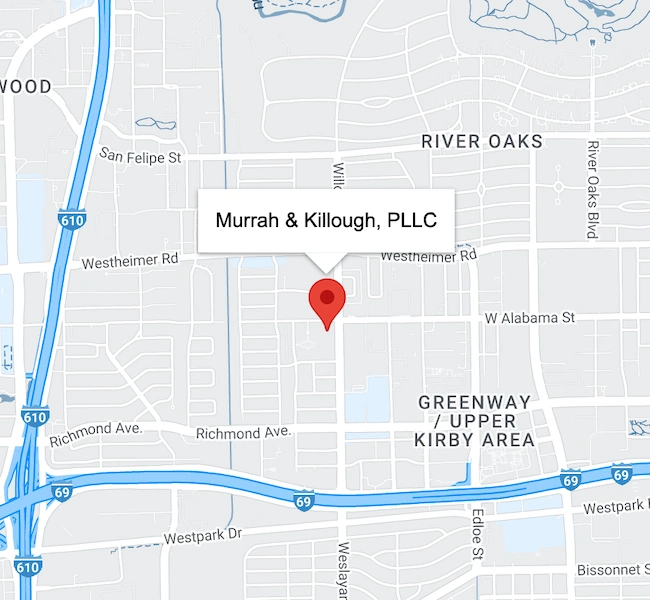
Contact the experienced lawyers at Murrah & Killough, PLLC today & schedule your free consultation. We proudly serve Houston, & all throughout Texas. Visit our law offices at:
Our Houston Office
3000 Weslayan St. Suite 305
Houston, Texas 77027
Phone: (281) 501-1601
Contact Our Team Today!
Fields Marked With An “*” Are Required
"*" indicates required fields

Houston Office
3000 Weslayan St.
Suite 305
Houston, Texas 77027
Phone
281-501-1601
Copyright © 2026 Murrah & Killough, PLLC. All rights reserved.
