

- About Us
- Business Law
- Civil & Commercial
- Family Law
- Resources
- Contact
Essential Contract Clauses Every Houston Business Owner Should Know
Key Contract Provisions That Shape Business Rights and Obligations
 Contracts keep a Houston company moving when expectations are clear and easy to prove. Certain clauses play an outsized role in defining those expectations, including how work is performed, how payment is handled, when a deal can end, and what happens if something goes wrong. When these provisions are vague or incomplete, small misunderstandings can turn into delayed work, withheld payments, and strained vendor relationships. Strong, clearly written clauses reduce uncertainty and lower the risk of disputes later.
Texas law generally enforces the terms the parties agree to, even when the language feels standard or comes from an older template. That makes it especially important for business owners to understand which contract clauses matter most and how they operate in real situations. Clear drafting also becomes critical if a dispute reaches litigation, where a judge must rely on the written terms to determine each party’s rights and obligations.
Scope of Work and Deliverables
 Clear scope language prevents a project from slowly expanding without anyone naming the added cost or added time. Each deliverable should be described in plain terms, including how revisions will be handled and what the other party must provide to allow work to begin. Service contracts should specify who supplies materials, tools, software access, or on-site support, because missing inputs lead to delays and finger-pointing.
When we review or draft a contract, we focus on words that create confusion in real life, not only in a courtroom. Vague phrases like “as needed” or “industry standard” often lead to conflict because each side interprets them differently. A scope section should also define what is excluded, so extra work requires a written change and a clear price.
Pricing, Payment Terms, and Change Orders
Payment clauses should answer basic questions without forcing you to guess. The price structure should be stated up front, whether flat fee, time-and-materials, milestone-based, or unit pricing. The due dates should be clear, along with late fees that comply with Texas rules, and a process for disputing an invoice without halting all payments.
Contract language often rises or falls on how change orders work. The change order clause should require written approval, identify who can sign, and explain how the change affects both price and schedule. It is often recommended to add a simple form or email format that counts as written approval, so the parties do not later argue that a text message was sufficient.
Deadlines, Termination Rights, and Renewal Triggers
Time terms should cover more than a single deadline. Milestones, interim check-ins, and a realistic window for review and acceptance can keep a project from stalling at the finish line. If performance depends on third parties, supply chain timing, or permit approvals, the contract should specify what happens when those external factors delay progress. A force majeure clause can cover major disruptions, but it should be drafted to fit the business rather than copied from a generic template.
When Murrah & Killough, PLLC reviews these sections, termination language that is one-sided or unclear is carefully examined. Termination clauses should state whether notice is required, what cure period applies, and what gets paid if the contract ends early. We will also recommend renewal language that cannot “auto-renew” quietly without warning, including a clear notice window and a clear method for sending notice.
Acceptance Standards, Warranties, and Repair Obligations
Disputes often start with a simple question: Did the work meet the contract? Acceptance clauses should define how inspections occur, how long the customer has to review, and what counts as acceptance if no response is received. For work involving testing, the contract should specify the test method, the passing standard, and who will run the test. Without those details, each side will bring its own definition of quality.
At Murrah & Killough, PLLC, our Houston business law attorneys will often flag warranty wording that creates unintended promises. A warranty can be limited to a specific period and limited to repair or replacement, depending on the deal. A business lawyer will also pay attention to disclaimers and limitations that Texas law allows or restricts, especially in transactions involving goods. A clean warranty section should also describe how warranty requests must be made, including required documentation and response times.
Liability Caps, Indemnity, and Insurance
Risk allocation clauses decide who pays when something goes wrong, including third-party claims. Liability limits can cap certain damages, but caps should be written carefully so the parties understand what is capped and what is not. Indemnity clauses should clearly identify what triggers indemnity, whose conduct is covered, and whether the duty includes defense costs. Texas law can be strict about indemnity language, so precision is important.
A Houston business law attorney will align the contract with how the business actually operates day to day. We will often suggest keeping these points clear and concrete:
- Which losses are limited by a cap, and what is the exact dollar amount of that cap?
- Whether “consequential” or “special” damages are excluded, and how those terms are defined.
- What insurance coverage is required, including limits and additional insured language?
- How notice and cooperation work when a claim is made.
Venue, Notice, and Fee Shifting
Dispute clauses help you control costs and avoid surprises. Venue and jurisdiction provisions can keep a Houston dispute in a Texas court rather than across the country. If arbitration is used, the clause should state the rules, the location, the number of arbitrators, and whether emergency relief is allowed. Notice provisions are also essential because a missed notice step can create a delay or waive rights.
At Murrah & Killough, PLLC, we will also examine statute-of-limitations issues and how the contract interacts with Texas deadlines. Many breach of contract claims in Texas are subject to a four-year limitation period under the Texas Civil Practice and Remedies Code. However, the right facts and the right contract language can still affect how a claim is framed. We will often recommend a clear fee-shifting clause that sets expectations for the recovery of legal costs, while keeping the language fair enough to avoid becoming a deal-breaker.
When Contract Terms Break Down, Clear Legal Guidance Matters
Murrah & Killough, PLLC helps Houston businesses address contract issues before they turn into costly disputes. Whether you need guidance reviewing an agreement, drafting clear terms, or responding to a breakdown in performance, we can help you assess your options and plan next steps.
Contact Murrah & Killough, PLLC for skilled business law litigation.
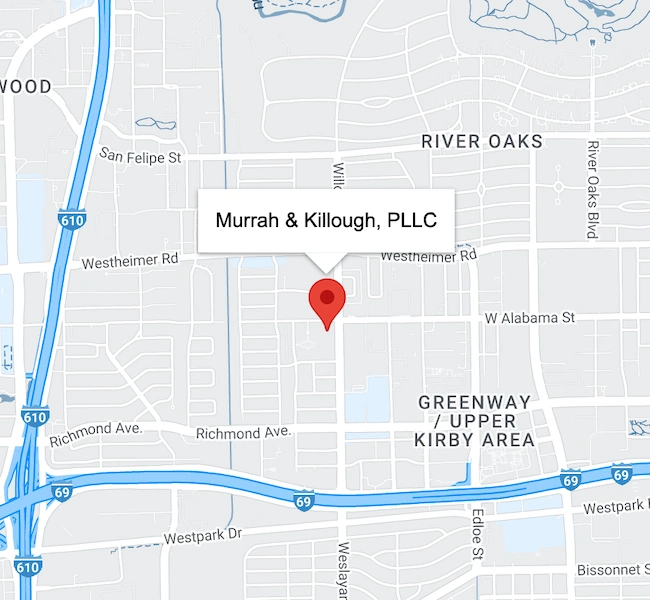
Contact the experienced lawyers at Murrah & Killough, PLLC today & schedule your free consultation. We proudly serve Houston, & all throughout Texas. Call (281) 501-1601 or visit our law offices at:
Our Houston Office
3000 Weslayan St. Suite 305
Houston, Texas 77027
Phone: (281) 501-1601




Contact Our Team Today!
Fields Marked With An “*” Are Required
"*" indicates required fields

Houston Office
3000 Weslayan St.
Suite 305
Houston, Texas 77027
Phone
281-501-1601
Copyright © 2026 Murrah & Killough, PLLC. All rights reserved.
