

- About Us
- Business Law
- Civil & Commercial
- Family Law
- Resources
- Contact
Common Mistakes in Divorce
Avoiding These Errors Can Protect Your Finances, Children, and Future
 Divorce mistakes in Texas usually happen before a final hearing ever starts. A spouse may move too fast, hide too little, say too much in writing, or agree to terms that look fair now but create problems for years. Texas law adds pressure because Texas Family Code § 6.702 requires a mandatory 60-day waiting period before a court can grant a divorce, and poor decisions made during that window can quickly compound.
Stress often pushes people toward quick decisions. That is understandable, but it can still cost you money, parenting time, privacy, and peace of mind. A divorce case in Houston works better when you slow down and have the proper legal guidance. Our divorce attorneys with Murrah & Killough, PLLC, can help you avoid making the following mistakes. Schedule a confidential case evaluation by using our online form or calling (281) 501-1601.
Moving Too Fast Before You Understand Your Rights
One of the most common mistakes in a Texas divorce is agreeing to terms before you fully understand what you are entitled to. People sign papers under pressure, accept the first offer to end the conflict, or waive rights they did not know they had. Once a decree is signed and the court approves it, undoing those agreements is difficult and sometimes impossible.
Before you agree to anything, it helps to understand a few basics. Texas is a community property state, which means most assets and debts acquired during the marriage belong equally to both spouses, regardless of whose name is on the account or title. You also have rights around spousal maintenance, the division of retirement accounts, reimbursement claims for separate property contributions, and how debt is allocated after divorce. None of that is obvious from the paperwork alone without legal knowledge.
Some of the questions worth answering before you sign include:
- What is actually in the marital estate? Not just the obvious accounts, but retirement funds, deferred compensation, business interests, and pending tax refunds.
- What are your income needs post-divorce? A settlement that looks balanced today may not account for health insurance, housing costs, or a gap in earning capacity.
- Are there deadlines affecting your rights? Certain claims, elections, and responses have time limits that can cut off options if missed.
Letting Emotion Control Parenting Decisions
Children often suffer when parents use possession and conservatorship issues to punish each other. Texas courts focus on the child’s best interest when deciding conservatorship and possession questions. Angry messages, refusal to share information, and rigid behavior can hurt your position if the court sees that you are making the conflict worse instead of helping your child adjust.
Several parenting mistakes show up again and again:
- Badmouthing the other parent: Children remember it, and judges notice patterns of conflict.
- Ignoring schedules: Missed exchanges and late pickups can become evidence.
- Posting online: Photos, comments, and insults may appear in court later.
Making Property Decisions Based on Assumptions
Many people assume an asset belongs to one spouse just because one name is on an account or title. Texas property division law is not that simple. Community property rules, reimbursement claims, tracing issues, and debt questions can all change the analysis. A spouse who guesses instead of proving a claim may lose leverage during settlement or at a hearing.
Money mistakes also happen after separation. Draining accounts, running up debt, selling property, or hiding transfers can damage credibility and complicate the case. The smarter move is to preserve records, stay organized, and treat every financial action as something a judge may later review.
Why Families Turn to Murrah & Killough, PLLC
At Murrah & Killough, PLLC, we take a direct, personalized approach to divorce matters, including property division, child custody, and child support disputes for clients throughout the Greater Houston area. We offer tailored planning, clear communication, and readiness for contested issues when settlement does not protect your interests.
FAQ: Common Questions About Divorce Mistakes in Texas
Does Fault Still Matter in a Texas Divorce?
It can. Texas allows no-fault divorce under Texas Family Code § 6.001, but fault-based grounds still exist in the Family Code under §§ 6.002–6.007. In some cases, those facts may affect strategy, settlement pressure, or the way one spouse presents their case to the court.
What Happens if My Spouse is Hiding Assets?
Hidden transfers, undisclosed accounts, and unusual spending before or during a divorce can be uncovered through formal discovery, including document requests, interrogatories, and depositions. Courts take asset concealment seriously, and a judge may factor it into the property division. Acting quickly to preserve financial records is one of the most important steps you can take early in the process.
Speak With Our Texas Divorce Attorneys Before a Preventable Mistake Costs You
A divorce can change your finances, your parenting schedule, and your future in ways that are difficult to undo. If you want clear advice about your next step, our team at Murrah & Killough, PLLC can review the facts, identify risks, and help you move forward with a plan shaped for Texas law and your real life. Call (281) 501-1601 or contact us online to connect with one of our attorneys for a confidential case evaluation.
Related Articles




Contact Our Team Today!
Fields Marked With An “*” Are Required
"*" indicates required fields

Houston Office
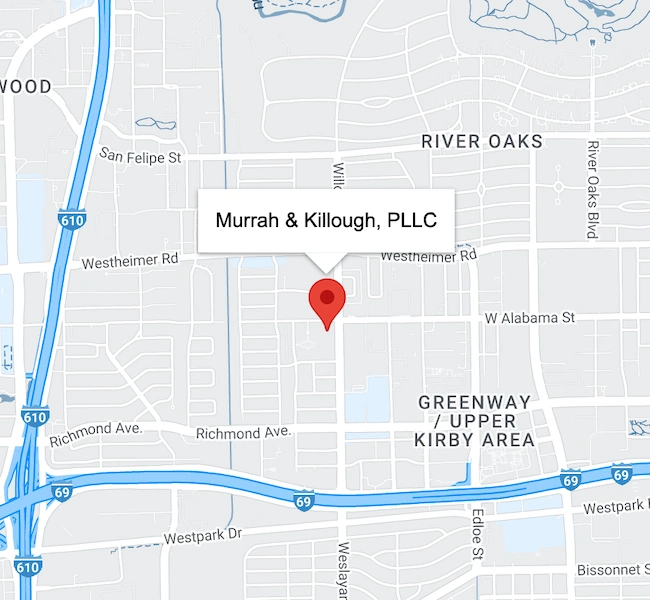
3000 Weslayan St.
Suite 305
Houston, Texas 77027
Phone
281-501-1601
Copyright © 2026 Murrah & Killough, PLLC. All rights reserved.
