

- About Us
- Business Law
- Civil & Commercial
- Family Law
- Resources
- Contact
Sugar Land Divorce Lawyer
Understanding Divorce with Clarity and Assurance
 Going through a divorce can be tough and emotional. At Murrah & Killough, PLLC, we understand how sensitive family law issues can be and are dedicated to providing you with the guidance and support necessary to achieve a fair and favorable outcome. Our experienced Sugar Land divorce lawyer is committed to addressing your concerns with care and professionalism, ensuring every decision is made with your best interests at heart.
If you’re ready to move forward with a divorce, we encourage you to contact Murrah & Killough, PLLC at 281-501-1601. Our skilled divorce attorneys in Sugar Land are here to offer you the practical support and sound legal advice you need. Reach out today for a consultation and let us help you through this important transition with confidence and clarity.
The Divorce Process in Texas
The divorce process in Texas involves several legal steps and procedures. These include filing for divorce, obtaining temporary orders, negotiating settlements, and finalizing the divorce. Each stage has its own challenges and specific steps that must be followed.
Filing for Divorce
In Texas, filing for divorce is the first formal step to ending a marriage by starting the legal process. The necessary document for this step is the Original Petition for Divorce, which must be filed correctly to start the proceedings.
Once the petition is filed, the other spouse must be notified. This stage is important as it sets the tone for the entire divorce process, and any mistakes here can lead to significant delays or complications.
Completing the discovery process is another key step during filing. This involves gathering all necessary information and documents related to the marriage, assets, and any other relevant factors.
Temporary Orders
During the divorce proceedings, temporary orders may be needed to set up interim arrangements for living situations, support, and child custody. These orders are designed to maintain stability and meet the reasonable needs of both parties and any children involved until the final decree is issued.
Temporary orders can be requested if spouses cannot agree on interim arrangements. This process involves a court hearing where the judge will issue orders based on the unique situation of each case, ensuring that legal rights are protected during the transition period.
Negotiating Settlements
Negotiating settlements involves resolving disputes over property division, child custody, child support, and spousal support. A Sugar Land divorce attorney plays an important role in advocating for their client’s best interests, working to reach a fair and equitable settlement that addresses all concerns.
Through mediation and consultation, they aim to achieve friendly resolutions that can save time, reduce stress, and avoid the need for a contested divorce.
When Negotiations Break Down: Going to Trial
 If negotiations don’t lead to an agreement during a divorce, the case might go to trial. This is usually the last option, as trials can take a lot of time, cost more money, and be emotionally challenging. However, if both parties cannot agree on important issues like property division, child custody, or spousal support, a trial is necessary.
In a divorce trial, each side presents their case to a judge in a Texas court. This means showing evidence, having witnesses testify, and making legal arguments to support their views. The judge then decides on the matters based on the evidence and Texas family law.
Preparing for a trial requires careful planning and a clear legal approach. Having an experienced Sugar Land divorce attorney is important to ensure that your rights and interests are well-represented. They will work hard to present a strong case, aiming to achieve a result that meets your needs.
Finalizing the Divorce
The last stage of the divorce process in Texas is finalizing the divorce. This involves a court hearing where the judge reviews the agreements made during the settlement phase, or if it goes to trial, assesses the evidence and arguments presented by both parties. These agreements must follow Texas family law standards to ensure they are fair and legally binding.
Once the court approves the agreements, a final decree is issued, formally concluding the divorce. This decree outlines each party’s rights and obligations post-divorce, providing a clear framework for their future interactions and responsibilities.
Property Division in Texas
In Texas, property division during a divorce follows the community property principle, meaning that assets acquired during the marriage are typically owned equally by both partners. This principle aims to ensure an equitable, though not necessarily equal, distribution of assets.
The division of property considers various factors such as each spouse’s earning potential, financial obligations, and contributions to the marriage. For instance, the court may look into the financial resources and stability provided by each party, ensuring a fair outcome that reflects the individual circumstances of the case.
Legal representation is important in property division, especially in contested divorces where the evaluation of assets can be difficult. Forensic accountants may be involved in tracing and validating separate assets, ensuring an accurate and fair division. Murrah & Killough emphasizes the importance of securing fair settlements to protect clients’ financial stability.
Spousal Support
 Spousal support, or maintenance, involves ongoing payments from the financially advantaged party to their former partner after divorce. Eligibility for spousal maintenance in Texas is determined by specific circumstances, such as a conviction for family violence or the duration of the marriage.
Courts consider several factors when determining spousal support, including the length of the marriage and the financial resources of both parties. The support payments are capped at either $5,000 or 20% of the obligor’s gross monthly income and are not taxable for the recipient nor tax-deductible for the payer.
The length of the marriage can impact the duration and amount of spousal maintenance awarded, with payments potentially being automatically withheld from the paying spouse’s income.
Please note that the spousal and child support payment figures mentioned are subject to change based on evolving state and federal regulations. It is important to consult with a qualified attorney to ensure you have the most current and applicable information for your specific situation.
Child Custody and Visitation
In Texas, child custody cases are centered around what is best for the child. The Texas Family Code ensures that decisions focus on the child’s needs, safety, and a stable home environment. Judges look at several factors to decide custody arrangements that benefit the child.
Some important factors include the child’s age, emotional and physical needs, and any special care they might require. The court also considers how stable each parent’s home is, their ability to meet the child’s daily needs, and how involved each parent has been in the child’s life. Judges may also consider any history of domestic violence or substance abuse, and they listen to the child’s wishes if they are 12 years or older.
To be ready and present yourself well during custody cases, it’s important to show your dedication to the child’s well-being. This means providing a safe and stable home, being active in the child’s schooling and activities, and encouraging a healthy relationship with the other parent when suitable. Keeping track of your involvement with the child can also be helpful.
What Steps Should I Take to Protect My Children During Divorce?
Divorce can be hard on children, but there are ways to help them cope and stay well. Here are some simple steps you can take to support your kids during this time:
- Talk Openly: Let your kids share their feelings and worries. Listen to them without judging and let them know it’s okay to feel upset. Open conversations make them feel cared for and understood.
- Keep Routines Steady: Try to keep their daily activities, like school and hobbies, the same as much as possible. This steadiness helps them feel secure even when things are changing.
- Stay Positive About the Other Parent: Don’t speak badly about your ex-spouse in front of your kids. Encourage them to have a good relationship with both parents.
- Focus on Their Needs: Make choices that are best for your kids. This includes setting up custody and visiting times that suit them well.
- Get Professional Help: Think about having a child therapist or counselor talk with your kids. They can help your children deal with their feelings and provide extra support.
- Support Relationships with Both Parents: Help your kids stay connected with the other parent, as long as it’s safe. This helps them feel loved by both parents.
- Watch for Changes: Pay attention to any changes in your kids’ behavior, like being quiet, acting out, or having trouble in school. If you notice these signs, address them early to help your kids adjust better.
By implementing these steps, you can positively influence the outcome of the trial and enhance your position. Demonstrating care and understanding can significantly impact how your situation is perceived, ultimately contributing to a more favorable resolution.
Child Support
 In Texas, child support is determined by guidelines that look at the non-custodial parent’s earnings and the number of children who require support. However, these rules might not suit every family, so changes may be necessary to address each family’s unique situation, such as a child’s special medical or educational needs.
Child support is more than just money. It helps provide for a child’s everyday needs like food, clothing, and shelter, ensuring they have a stable life after their parents’ divorce. This support helps to maintain a child’s well-being.
As circumstances change, such as income or the child’s needs, child support arrangements might need updates. Attorneys assist in making these changes to ensure the support continues to serve the child’s best interests and fits the family’s changing dynamics.
Common Challenges in Contested Divorces
Contested divorces can be difficult and stressful, involving disagreements over important issues like dividing property, child custody, and spousal support. Unlike uncontested divorces, where both parties agree on everything, contested divorces require help from attorneys and the court to settle disputes.
Emotional and Psychological Strain
The emotional stress of a contested divorce can be overwhelming. The uncertainty and high emotions can cause anxiety and affect your ability to make clear decisions. Having strong legal and emotional support is important to help you through this tough time.
Financial Complications
Money issues often arise in contested divorces. Legal fees can add up quickly, and disagreements over who gets what can make things more complicated. It’s important to have good legal advice to ensure that assets are divided fairly and your financial interests are protected.
Dispute Resolution Difficulties
Settling disputes in a contested divorce can be challenging. It often involves negotiations or court appearances to agree on property, child custody, or spousal support. A skilled attorney can help by representing your interests and working towards a fair solution that saves time and reduces stress.
Legal and Procedural Complexities
Contested divorces involve many legal steps and paperwork. Make sure all documents are filed correctly and on time to avoid delays or unfavorable results. Having a knowledgeable attorney can help ensure that the divorce process goes smoothly and efficiently.
By understanding these common challenges, individuals facing a contested divorce can be better prepared.
How Murrah & Killough, PLLC Can Help
Murrah & Killough, PLLC is here to support you through family law challenges. Our team of Sugar Land divorce lawyers offers legal services tailored to each client’s needs. We know divorce can be emotionally and financially difficult, and we aim to ease that burden with our experience and personalized attention.
Our firm handles divorce cases from start to finish, ensuring the final decree is in your favor. We offer sound legal advice and strategies to address every part of your divorce process. Whether it’s property division, spousal support, or child custody, our skilled attorneys are knowledgeable in Texas family law and committed to protecting your interests.
We understand that every family law case is unique, and we adapt our approach to fit each client’s situation. Our straightforward approach and organizational skills help us handle even the most complicated divorce cases, ensuring your legal rights are protected at every stage.
We also prioritize the well-being of children involved in divorce proceedings. Our background includes child custody and visitation arrangements, ensuring the best interests of your children are always prioritized. We aim for solutions that support your family’s health and stability.
Contact an Experienced Sugar Land Divorce Attorney
At Murrah & Killough, PLLC, we are more than just legal representatives; we are your partners in the legal process. Our commitment to fair settlements and protecting your financial stability is unwavering. We invite you to take the next step toward resolving your family law matters with confidence.
Contact us today at 281-501-1601 for a consultation and let us provide you with the professional, compassionate, and effective legal support you deserve. Your future and your family’s well-being are our top priorities. We’re honored to serve families across Fort Bend and Houston, providing compassionate and dedicated family law services to support your journey
Contact Our Team Today!
Fields Marked With An “*” Are Required
"*" indicates required fields

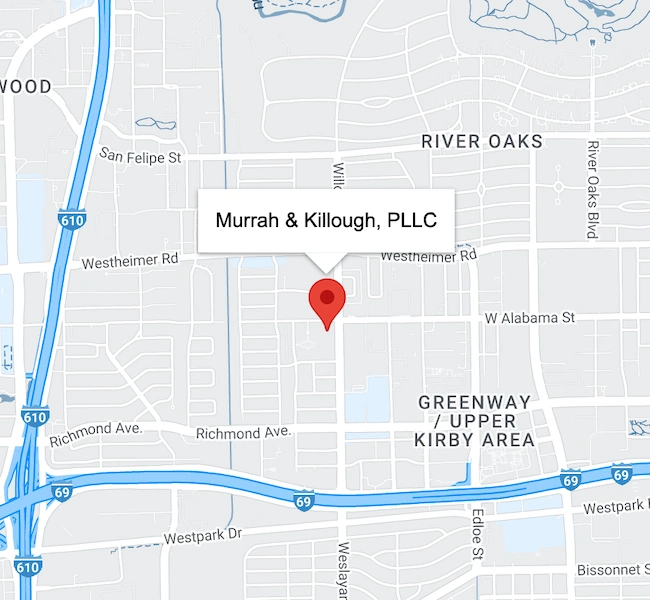
Houston Office
3000 Weslayan St.
Suite 305
Houston, Texas 77027
Phone
281-501-1601
Copyright © 2026 Murrah & Killough, PLLC. All rights reserved.
